Board : 515 Edgecombe Cooperative

Elec­tions to the Board are held each year dur­ing the Annu­al Gen­er­al Meet­ing of Share­hold­ers.

BOARD MEMBERS, 2014–2015

The fol­low­ing share­hold­ers were elect­ed to the Board of Direc­tors of 515 Edge­combe Avenue Cor­po­ra­tion for the term 2014–2015.

Ms. Cath­leen Price Ms. Rebec­ca Fried­man Ms. Sharon Rueb­steck Dr. Eliz­a­beth Castel­li

Ms. Martha Bro­phy

PREVIOUS BOARD MEMBERS

Recycling : 515 Edgecombe Cooperative

All res­i­dents of 515 Edge­combe Avenue coop­er­a­tive are required by law to recy­cle their waste in accor­dance with New York City Guide­lines.

These guide­lines have been post­ed on the main notice board in the building’s Lob­by. Appro­pri­ate recy­cling bins are avail­able in the des­ig­nat­ed area on the build­ing premis­es.

Every build­ing in New York City is required by law to recy­cle. The Sol­id Waste Man­age­ment Act of 1988 requires com­pre­hen­sive recy­cling in New York State. New York City ben­e­fits not only envi­ron­men­tal­ly, but also eco­nom­i­cal­ly from recy­cling. New York­ers must not lose the ben­e­fits of recy­cling by let­ting up on pru­dent waste man­age­ment prac­tices. Accord­ing to New York State Attor­ney Gen­er­al Elliot Spitzer, “Recy­cling is unques­tion­ably one of the most impor­tant efforts we make to con­serve nat­ur­al resources and reduce our depen­dence on land­fills and incin­er­a­tors – recy­cling makes enor­mous eco­nom­ic and envi­ron­men­tal sense and I am ful­ly com­mit­ted to expand­ing and enforc­ing recy­cling laws so that we can real­ize their full ben­e­fits.”

The infor­ma­tion below pro­vides guide­lines on what and how to recy­cle: For fur­ther infor­ma­tion please vis­it the New York City web­site.

back to top

Reduce

Paper, pack­ag­ing, and food waste make up the largest sec­tions of New York City’s trash and recy­clables. Learn how to reduce paper waste and pack­ag­ing waste (such as bags, drink cups, and oth­er pack­ag­ing); elim­i­nate unwant­ed mail; and turn your yard and kitchen waste into com­post.

Anoth­er way to reduce waste is to make sure that the prod­ucts that you bring into your home are durable or long last­ing. You should also bring reusable con­tain­ers (such as bags and mugs) with you, while shop­ping.

Min­i­miz­ing the num­ber of poten­tial­ly harm­ful prod­ucts you use in your home is also impor­tant. See our shop­ping tips to learn about oth­er oppor­tu­ni­ties to reduce waste.

back to top

Reuse

Find a new home for your unwant­ed items. Donate or sell items in good con­di­tion to thrift stores, non-prof­it orga­ni­za­tions in need, con­sign­ment shops, or through online reuse and mate­ri­als exchanges.

You can also send items back to the man­u­fac­tur­er or retail­er for resale, refur­bish­ing, or recy­cling. Some prod­uct take-back pro­grams incen­tivize the return of items by offer­ing coupons, cred­it, or dis­counts.

back to top

Recy­cle

Every build­ing in New York City is required by law to recy­cle. The NYC Depart­ment of San­i­ta­tion  col­lects recy­clables at the curb from res­i­dents, city agen­cies, and insti­tu­tions through­out the five bor­oughs. If you are already recy­cling, con­sid­er enhanc­ing your par­tic­i­pa­tion in the City’s recy­cling pro­gram by choos­ing to pur­chase items and pack­ag­ing that can be recy­cled.

Buy­ing prod­ucts that are made from recy­cled mate­ri­als also bol­sters mar­kets for the items that you place at the curb for recy­cling.

Paper and Cardboard : 515 Edgecombe Cooperative

PAPER

  • news­pa­pers, mag­a­zines, cat­a­logs

  • white and col­ored paper (lined, copi­er, com­put­er, sta­ples OK)

  • mail and envelopes (any col­or, win­dow envelopes OK)
  • paper bags

  • wrap­ping paper

CARDBOARD

  • soft-cov­er books, tele­phone books (paper­backs, comics, etc.; no spi­ral bind­ings)

  • card­board egg car­tons and trays

  • smooth card­board (food and shoes box­es, tubes, file fold­ers, card­board from prod­uct  pack­ag­ing)

  • cor­ru­gat­ed card­board box­es (flat­tened and tied)

Place all paper recy­clables togeth­er in CLEAR bags, or in any bin labeled with GREEN recy­cling decals or marked “MIXED PAPER”. Or place in the white dump­ster for paper recy­cling, if your build­ing has one.)

Flat­ten and bun­dle large pieces of cor­ru­gat­ed card­board and tie with stur­dy twine, or break into small pieces to place in your recy­cling bin or bag.

See how you can reduce your junk mail.

Don’t include the following with your paper recycling 

  • hard­cov­er books
  • nap­kins, paper tow­els, or tis­sues
  • soiled paper plates
  • paper soiled with food or liq­uid
  • paper with a lot of tape and glue
  • plas­tic- or wax-coat­ed paper (can­dy wrap­pers, take-out con­tain­ers, etc.)
  • pho­to­graph­ic paper

See why

Insurance : 515 Edgecombe Cooperative

HOMEOWNERS INSURANCE
The House Rules require all share­hold­ers to acquire Home Own­ers Insur­anceThe House Rules state:

“All Lessees must obtain com­pre­hen­sive Home Own­ers Insur­ance Lia­bil­i­ty Cov­er­age for any and all apart­ments or shares they own. A copy of the cer­tifi­cate of Home own­ers Insur­ance Lia­bil­i­ty must be sub­mit­ted to the Board of the Lessor or des­ig­nat­ed Man­ag­ing agent.”

WHY YOU NEED TO BE INSURED AND WHAT YOU NEED TO KNOW

(The fol­low­ing arti­cle by Robert E. Mack­oul, founder and Pres­i­dent of Mack­oul and Asso­ciates, pro­vides some basic infor­ma­tion on the­Home Own­ers Insur­ance. Please con­tact your insur­ance agent for advice and com­plete infor­ma­tion on the avail­able insur­ance.)

Many coop­er­a­tive and con­do­mini­um dwellers tend to think that they don’t need home­own­ers insur­ance. This is gen­er­al­ly due to two basic mis­con­cep­tions: the first, that they do not need home­own­ers insur­ance because the build­ing already has cov­er­age; the sec­ond, that since banks and mort­gage com­pa­nies don’t require home­own­ers insur­ance in a coop­er­a­tive or con­do­mini­um, such cov­er­age is not a neces­si­ty.

These beliefs are not only wrong, but they can also be dan­ger­ous. Build­ing insur­ance rarely pro­vides cov­er­age with­in units them­selves. And while banks may not stip­u­late home­own­ers insur­ance as a req­ui­site when mak­ing a loan, that’s cold com­fort if a fire or oth­er cat­a­stro­phe ren­ders your apart­ment tem­porar­i­ly unin­hab­it­able.

The issue is not whether you should have home­own­ers insur­ance, but how much cov­er­age you should secure. For co-op share­hold­ers and con­do unit own­ers, the ide­al pol­i­cy should cov­er the basics:

  1. Improve­ments and Alter­ations,
  2. Con­tents and Per­son­al Effects,
  3. Loss of Use cov­er­age for extra expens­es that arise from being tem­porar­i­ly unable to occu­py the unit fol­low­ing a claim,
  4. Per­son­al Lia­bil­i­ty to pro­tect against law­suits from oth­er par­ties or insur­ance com­pa­nies, and
  5. Assess­ment Cov­er­age.

IMPROVEMENTS AND ALTERATIONS
In a coop­er­a­tive or con­do­mini­um, improve­ments and alter­ations that are with­in the unit are the unit owner’s or shareholder’s respon­si­bil­i­ty. These improvements/alterations are not cov­ered under the building’s insur­ance pol­i­cy.

If there is a claim, the building’s insur­ance com­pa­ny is respon­si­ble for the build­ing itself and the infra­struc­ture, the pipes and elec­tri­cal wiring inside the walls. When it comes to the indi­vid­ual unit, the insur­ance com­pa­ny is only required to put the apart­ment “back to spec”; that is, exact­ly how it was when it was built. Thus, all the updates to a spe­cif­ic unit that have occurred since the build­ing was first built are the respon­si­bil­i­ty of the cur­rent own­er, and not the build­ing. This includes new bath­rooms and kitchens, floor­ing and car­pet­ing, and mold­ing put in by the cur­rent own­er. In addi­tion, the cur­rent share­hold­er is respon­si­ble for all the improve­ments and alter­ations done by pre­vi­ous own­ers.

If, for instance, the floor­ing in a unit had been in place since the building’s incep­tion, that would be cov­ered under the building’s insur­ance. How­ev­er, espe­cial­ly with old­er build­ings, the prob­a­bil­i­ty of hav­ing a unit with all its orig­i­nal fea­tures intact is rather low. The build­ing insur­ance com­pa­ny will not pay for these alter­ations and repairs. This is where homeowner’s cov­er­age specif­i­cal­ly for improve­ments and alter­ations comes in; if prop­er­ly planned, it will cov­er all the alter­ations and improve­ments in a unit, regard­less of who put them in.

PERSONAL PROPERTY
Share­hold­ers or unit own­ers are respon­si­ble for insur­ing all of their apartment’s con­tents and per­son­al prop­er­ty. This includes every­thing from fur­nish­ings to kitchen­ware to cloth­ing – any­thing that can be moved around, picked up, and tak­en. What can’t be moved, such as bath­room fix­tures and kitchen cab­i­nets, qual­i­fy as improve­ments and alter­ations.

Per­son­al prop­er­ty cov­er­age should be ade­quate to meet the cost of replac­ing items today, as opposed to the cost when they were orig­i­nal­ly pur­chased. If some­thing that is con­sid­ered per­son­al prop­er­ty is destroyed and there is no replace­ment cost cov­er­age, the insur­ance com­pa­ny will depre­ci­ate the loss and great­ly reduce the com­pen­sa­tion for the dam­aged item. For exam­ple, a tele­vi­sion pur­chased for $500 five years ago, with­out replace­ment costs, would be worth $250 today (assum­ing that the use­ful life of a tele­vi­sion is 10 years). But with replace­ment cov­er­age, the insur­ance would cov­er the full cost of a new tele­vi­sion. As a rule of thumb when decid­ing on the lev­el of cov­er­age for your new insur­ance pol­i­cy, you should typ­i­cal­ly esti­mate how much all your per­son­al prop­er­ty and apart­ment con­tents are worth and then dou­bling that val­ue.

LOSS OF USE
In the event of seri­ous dam­age to your unit, you will need mon­ey to live else­where. This is pro­vid­ed for under a part of the homeowner’s pol­i­cy called “loss of use”. In insur­ance poli­cies for coop­er­a­tives, lim­it­ed loss of use only cov­ers 40 per­cent of the total per­son­al prop­er­ty cov­er­age amount. If your prop­er­ty is insured for $100,000, the max­i­mum loss of use com­pen­sa­tion that you could receive would be $40,000.

If repairs to the unit go on for an extend­ed peri­od of time, which they often do, this may not be enough to cov­er liv­ing expens­es – espe­cial­ly the high cost of liv­ing in New York. This is why it is best to have an unlim­it­ed loss of use pol­i­cy. This fea­ture comes stan­dard with the plans offered by Chubb and Fireman’s Fund, and most oth­er com­pa­nies will allow the home­own­er to buy up their unlim­it­ed cov­er­age.

Unlim­it­ed loss of use cov­er­age may be the most impor­tant fea­ture of your pol­i­cy. Con­sid­er the sto­ry of a co-op build­ing in Man­hat­tan: In the late 1990s, the pent­house res­i­dents decid­ed they did not like the way the roof drains looked, so they had them cov­ered with screens. In August 1999, when the city had 6.5 inch­es of rain in one day, the screens pre­vent­ed the water from drain­ing prop­er­ly. Water rose up over the para­pet walls and into the build­ing, drench­ing the under­ly­ing units from the ninth floor down to the sixth. The inte­ri­ors were so soaked that no work could be done until every­thing was dried out, which took some time. Restora­tion con­trac­tors then report­ed that all the elec­tric sys­tems in the build­ing had been destroyed, as was the beau­ti­ful plas­ter work­man­ship of this pre-war struc­ture. The apart­ments had to be gut­ted and rebuilt.

The sit­u­a­tion only got worse: it took a long time to get the claim set­tled and work under way, because the board of direc­tors right­ly insist­ed that plas­ter, rather than sheetrock, be used to restore the build­ing. The board was cor­rect in expect­ing insur­ance to pay for the plas­ter, as this was dic­tat­ed in the orig­i­nal build­ing plans. But it took eight months to restore the build­ing, dis­plac­ing those liv­ing in the affect­ed units.

For some, there was good news: the share­hold­ers on the eighth and ninth floors had unlim­it­ed loss of use cov­er­age. Their insur­ance pro­vid­ed hun­dreds of thou­sands of dol­lars to house them in Man­hat­tan hotels. It also paid for them to eat out and for all the extra expens­es that result from not liv­ing at home. After six months, the insur­er decid­ed to reduce the ongo­ing expens­es and found these res­i­dents fur­nished two-bed­room apart­ments. But a hard les­son was learned by the res­i­dents on the sixth and sev­enth floors: their lim­it­ed loss of use cov­er­age ran out after about a month.

LIABILITY COVERAGE
Most home­own­ers insur­ance claims per­tain to res­i­dent-relat­ed inci­dents. For instance, if some­one slips and falls in your unit, you may be sub­ject to a lia­bil­i­ty law­suit. But lia­bil­i­ty doesn’t stop there. If your toi­let over­flows and dam­ages the down­stairs neighbor’s ori­en­tal rug, or if your cat scratch­es some­one in the eye – all these are poten­tial lia­bil­i­ty issues.

The answer is personal/family lia­bil­i­ty cov­er­age. Most stan­dard home­own­ers insur­ance poli­cies include $100,000 of lia­bil­i­ty cov­er­age, but unit own­ers should not have less than $500,000 in lia­bil­i­ty cov­er­age because, “you nev­er know whose Picas­so you’re going to ruin.”

THE RISKS OF NOT BEING INSURED
When share­hold­ers or unit own­ers do not have home­own­ers insur­ance, it is not only their prob­lem but it could cre­ate sig­nif­i­cant prob­lems for the build­ing, as well. If an apart­ment is ren­dered unin­hab­it­able for an extend­ed peri­od of time and the own­er has no cov­er­age to pay the expens­es of tem­po­rary liv­ing accom­mo­da­tions, the per­son­al cost could dri­ve the own­er into arrears and poten­tial­ly into default on the unit. The same could hap­pen if an inci­dent in an unin­sured shareholder’s unit affects anoth­er unit in the build­ing: the result­ing law­suit could force the share­hold­er into bank­rupt­cy.

This is why many coop­er­a­tives and con­do­mini­ums have made home­own­ers insur­ance manda­to­ry for every share­hold­er and unit own­er. If your board con­sid­ers estab­lish­ing such a pol­i­cy, it should spec­i­fy the min­i­mum amount of each form of cov­er­age that the unit own­ers must take. The amount depends on the build­ing; for exam­ple, $25,000 is a good start­ing point for per­son­al prop­er­ty cov­er­age in a mid­dle-class build­ing, but a more upscale build­ing may be expect­ed to have con­sid­er­ably high­er min­i­mums. Min­i­mum cov­er­age for improve­ments and alter­ations and for lia­bil­i­ty should also be estab­lished. You should eval­u­ate based on the val­ue of the most expen­sive unit in your build­ing, and work back­ward from that. An annu­al mon­i­tor­ing process should also be estab­lished to ensure that every­one is cov­ered.

Extract­ed from:

CNYC 250 West 57th Street, Suite 730 New York, NY 10107–0730 Tel: (212) 496‑7400 Fax: (212) 580‑7801

E‑mail: info@cnyc.coop

Read the orig­i­nal arti­cle here.

Goings-on in our neighborhood : 515 Edgecombe Cooperative

AUGUST

Thurs­day, August 8, 6:30–8:30pm Regency Make­up Work­shop
Researcher J.Leia Lima will lead a dis­cus­sion explor­ing women’s aes­thet­ics, cos­met­ics, hair, corsets, gowns, and acces­sories start­ing from the 1790s into the 1820s. The pre­sen­ta­tion will be fol­lowed by a guid­ed tour of the cur­rent MJM exhi­bi­tions: The Loves of Aaron Burr and The Arts of Beau­ty. This pre­sen­ta­tion will show you how to style your­self like Eliza Jumel, Josephine Bona­parte, and Jane Austin dur­ing the first quar­ter of the nine­teenth cen­tu­ry to pre­pare for the Regency Dance Work­shop. The event is $5; please call  212–923-8008  to make a reser­va­tion.

Saturday, August 10, 7:00–9:00pm


Regency Dance Work­shop
Dance his­to­ri­an Susan de Guardi­o­la will instruct par­tic­i­pants on chore­og­ra­phy from the ear­ly nine­teenth cen­tu­ry, which will be fol­lowed by a night of danc­ing in MJM’s his­toric Octag­o­nal Draw­ing Room. Begin­ners are wel­come; the pro­gram is for ages 12 and up. Cos­tumes are encour­ages but not required. Please wear flats or low heels with a soft sole. The event is $15; please call  212–923-8008  to make a reser­va­tion.

We can do better! : 515 Edgecombe Cooperative

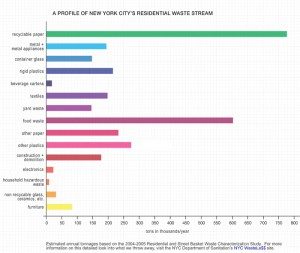
[This post is based on the arti­cle by grownyc.org]

wastestream_web-300x253-8668256

Around 40% of NYC’s waste can be recy­cled through the curb­side recy­cling pro­gram.

Recy­clable Paper
Near­ly a quar­ter of NYC’s waste is recy­clable paper! Be sure to recy­cle all clean paper. Reduce your car­bon foot­print fur­ther by tak­ing your name off of mass mail­ing lists, reduc­ing cat­a­log waste, opt­ing out of offers for cred­it cards and insur­ance and stop­ping unwant­ed tele­phone books–learn how at NYCWaste­Less.

Met­al & Met­al Appli­ances
Recy­cle cans, clean alu­minum foil and “most­ly met­al” house­hold items with at least 50% met­al con­tent. Bulky met­al such as shelves and appli­ances should be placed next to your recy­cling bins or bags on recy­cling day (call 311 first for appli­ances that require CFC removal such as air con­di­tion­ers and refrig­er­a­tors). Con­serve even more resources by donat­ing reusable met­al items. For exam­ple, bikes and bike parts can be used by Recy­cle a Bicy­cle or Time’s UP! to get more New York­ers on two wheels.

Con­tain­er Glass
Unbro­ken bot­tles and jars are recy­clable through NYC’s curb­side recy­cling pro­gram. Emp­ty and rinse con­tain­ers and remove, then recy­cle, met­al caps and lids. Recy­cle nat­ur­al corks with Cork Rehar­vest using bins locat­ed at Whole Foods mar­kets in NYC.

Rigid Plas­tics
As of April 23, 2013, New York­ers can recy­cle all rigid plas­tics, includ­ing yogurt cups, plas­tic toys, sal­ad con­tain­ers, sham­poo bot­tles, plas­tic fur­ni­ture and plas­tic appli­ances.  Learn more.

Bev­er­age Car­tons
Gable-top and asep­tic con­tain­ers (think O.J., milk, soy milk and box­es of soup stock) are includ­ed in the City’s recy­cling pro­gram. Rinse and place with your glass, met­al and plas­tic recy­clables.

Tex­tiles
Mate­ri­als such as old cloth­ing and linens rep­re­sent almost 6% of NYC’s waste. Recy­cle your unwant­ed tex­tiles at one of GrowNYC’s week­ly tex­tile col­lec­tions at select Green­mar­kets. Large apart­ment build­ings can sign up for an in-build­ing pro­gram through Wear­able Col­lec­tions or Refash­ioNYC. If your run­ning shoes are worn com­plete­ly, you can also recy­cle them through the Reuse-a-Shoe pro­gram, which makes them into ath­let­ic sur­faces.

Yard Waste
4% of the res­i­den­tial waste in our con­crete jun­gle actu­al­ly comes from yards and green spaces. If you’re lucky enough to have a patch of grass, leave it on the lawn after mow­ing. Col­lect fall leaves for com­post and be sure to con­tact the Parks Depart­ment for prop­er removal of any tree prun­ings and oth­er organ­ic woody debris if you live in Brook­lyn, Man­hat­tan, Queens or Stat­en Island.

Food Waste
Why let your food scraps go to waste? There are sev­er­al local pro­grams offer­ing com­post­ing to turn your cof­fee grounds, veg­etable trim­mings and oth­er organ­ic mate­ri­als into “black gold” to fer­til­ize flow­ers, veg­eta­bles and trees sans harm­ful chem­i­cals. 35 of GrowNYC’s Green­mar­kets now accept res­i­den­tial kitchen scraps for com­post­ing. Click here to find oth­er com­mu­ni­ty drop-off sites. You can also learn to make your own com­post at home. Vis­it NYC Waste­Less for more resources.

For food that is still edi­ble, check out this handy inter­ac­tive map from the NYC Coali­tion Against Hunger to find a soup kitchen or food pantry near you. Large vol­umes of canned food can be donat­ed through the Food Bank for NYC. Con­tact City Har­vest for infor­ma­tion on donat­ing large amounts of fresh, per­ish­able and pre­pared food.

Oth­er Paper
Cer­tain types of paper such as tis­sues, nap­kins, food-soiled paper, lam­i­nat­ed papers, cups, plates, and take-out con­tain­ers are not recy­clable in NYC. Reduce your use of sin­gle-use, dis­pos­able items and com­post food-soiled nap­kins and paper tow­els that are free of tox­ic clean­ers or oth­er harm­ful chem­i­cals.

Oth­er Plas­tic
New York­ers dis­card near­ly 2,000 tons of plas­tic bags every week, not to men­tion the ones that land in trees and sew­ers rather than the trash recep­ta­cle. The key is to reduce your use of plas­tic bags.  Use bags a sec­ond time for shop­ping, tak­ing out the trash, or clean­ing up after the dog.  Clean and dry bags can be recy­cled at large retail stores and chains around the city, thanks to a recent law that requires recy­cling of plas­tic film such as shop­ping bags, dry clean­ing bags and news­pa­per bags.  Look for ways to reduce Sty­ro­foam waste by bring­ing your own to-go cup, buy­ing wise­ly at the super­mar­ket and ask­ing restau­rants to use alter­na­tive pack­ag­ing.

Con­struc­tion and Demo­li­tion (C&D)
Reduce and reuse when you ren­o­vate. Save mon­ey by buy­ing from and donat­ing to NYC’s build­ing mate­ri­als reuse cen­ter, Build It Green!. Vis­it their web­site to view the inven­to­ry of items like cab­i­nets, doors, appli­ances, paint and even decon­struc­tion ser­vices.

Elec­tron­ics
Although they are a small por­tion of the waste stream by vol­ume, com­put­ers and elec­tron­ics con­tribute about 70% of the heavy met­als in land­fills. Con­sid­er donat­ing work­ing elec­tron­ics. If bro­ken, there are many recy­cling oppor­tu­ni­ties for these items. Find upcom­ing col­lec­tion days on our Recy­cling Events page, vis­it Take It Back NYC for info on man­u­fac­tur­er and retail recy­cling at loca­tions such as Best Buy, Sta­ples and Good­will stores.  Recy­cling is eas­i­er than ever with the Low­er East Side Ecol­o­gy Center’s new e‑waste drop-off ware­house in the Gowanus sec­tion of Brook­lyn.  As of April 1, 2011, New York State Law requires man­u­fac­tur­ers of many elec­tron­ics to col­lect their prod­ucts from res­i­dents at no charge. Be pre­pared for 2015, when cer­tain elec­tron­ics will be pro­hib­it­ed from res­i­den­tial trash.

Cell phones are easy to recy­cle, due to a NY State law requir­ing any store sell­ing cell phones to take them back for recy­cling. You can also recy­cle or refur­bish your old phone for a cause through many char­i­ta­ble orga­ni­za­tions.

Recy­cle CDs, flop­py disks, VHS tapes, etc. by pur­chas­ing a Tech­no­trash bin from Green Disk or recy­cle select media at Best Buy.

House­hold Haz­ardous Waste (HHW)
Most of NYC’s HHW con­sists of dry cell bat­ter­ies and water-based paints & adhe­sives, but also includes oil fil­ters, antifreeze, wet cell bat­ter­ies, motor oil, fuel, mer­cury wastes, oil-based sol­vents, paint, pes­ti­cides and fire extin­guish­ers. When­ev­er pos­si­ble, avoid buy­ing harm­ful mate­ri­als that cre­ate dis­pos­al haz­ards. Learn more about reduc­ing tox­ins in your waste.

The NYC Depart­ment of Sanitation’s Spe­cial Waste Drop-Off Sites accept house­hold and auto­mo­tive bat­ter­ies, flu­o­res­cent bulbs, mer­cury ther­mome­ters and ther­mostats, motor oil, trans­mis­sion flu­id, latex paint and pas­sen­ger car tires.  In Spring 2013, DSNY’s NYC SAFE Dis­pos­al events will accept elec­tron­ics and oth­er poten­tial­ly harm­ful house­hold prod­ucts like bat­ter­ies, paint, pes­ti­cides and med­i­cine.  

Recharge­able bat­ter­ies are pro­hib­it­ed from house­hold garbage and must be recy­cled. NYC stores must recy­cle the same type of recharge­able bat­ter­ies that they sell. Cell phones and their bat­ter­ies can be returned to any store that sells these mobile devices. Select Green­mar­kets have col­lec­tion bins for cell phones and recharge­able bat­ter­ies or you can vis­it www.RBRC.org to get a bin for your apart­ment build­ing.

Com­pact Flu­o­res­cent Light bulbs (CFLs) save ener­gy and last much longer, but con­tain mer­cury and should be dis­posed of respon­si­bly. Get more info on light bulb recy­cling and find a drop-off site at www.grownyc.org/CFL.

Some local mem­bers and part­ners of the Nation­al Com­mu­ni­ty Phar­ma­cists Asso­ci­a­tion accept phar­ma­ceu­ti­cals for safe dis­pos­al. For more infor­ma­tion on safe han­dling of house­hold med­ical wastes vis­it NYC WasteLe$$.
Mis­cel­la­neous Inor­gan­ics and Non-Recy­clable Glass
Reuse old win­dows (see C&D), mir­rors and unwant­ed ceram­ics where pos­si­ble.

Fur­ni­ture
Many thrift stores and non-prof­it orga­ni­za­tions can help pro­vide good homes for unwant­ed fur­ni­ture. Search by bor­ough, zip code or find city­wide list­ings using NYC Stuff Exchange. You can also look for tak­ers through Craigslist.org and Freecycle.org.

Cat­e­go­ry: Recy­cling

No smoking please! : 515 Edgecombe Cooperative

images-3204512 Smok­ing in pub­lic spaces in the build­ing is not per­mit­ted for any­one, includ­ing share­hold­ers:  it cre­ates a health and fire haz­ard; it caus­es a nui­sance for peo­ple who are try­ing to climb the stairs; and it pos­es an extra­or­di­nary chal­lenge to our effort to keep the pub­lic areas decent­ly clean.

If you do not per­mit peo­ple to smoke with­in the con­fines of your apart­ment, then please under­stand that you need to ensure that they go all the way out­side of the build­ing before they light up.  You can­not smoke in the stair­well, nor can your guests or vis­i­tors.  And you can­not leave your cig­a­rette butts on the stairs.

Please note the rel­e­vant House Rule:
“16. (d) No one may smoke in the pub­lic halls, stair­ways, ele­va­tors, laun­dry rooms or oth­er Pub­lic Spaces of the Build­ing”

Cat­e­go­ry: Lat­est News

Emergencies : 515 Edgecombe Cooperative

IF THE FIRE IS IN YOUR APARTMENT

  • Close the door to the room where the fire is and leave the apart­ment
  • Make sure every­one leaves the apart­ment with you
  • Take your keys
  • Close, but do not lock, the apart­ment door
  • Alert peo­ple on your floor by knock­ing on their doors on your way to the exit
  • Call 911 once you reach a safe loca­tion. Do not assume the fire has been report­ed unless fire­fight­ers are on the scene
  • Call the super­in­ten­dent at (917) 731‑0891
  • Meet the mem­bers of your house­hold at a pre-deter­mined loca­tion out­side the build­ing. Noti­fy the fire­fight­ers if any­one is unac­count­ed for.
  • Avoid pan­ic – stay­ing calm can be life-sav­ing

IF THE FIRE IS NOT IN YOUR APARTMENT

  • Feel your apart­ment door and door­knob for heat. If they are not hot, open the door slight­ly and check the hall­way for smoke, heat or fire
  • Exit the apart­ment and build­ing if you can safe­ly do so, fol­low­ing the instruc­tions above for a fire in your apart­ment
  • If the hall­way or stair­well is not safe because of smoke, heat, or fire and you have access to a fire escape, use it to exit the build­ing. Pro­ceed cau­tious­ly on the fire escape and always car­ry or hold onto small chil­dren.
  • If you can­not use the stairs or the fire escape, call 911 and tell them your address, floor, apart­ment num­ber and the num­ber of peo­ple in your apart­ment.
  • Seal the doors to your apart­ment with wet tow­els or sheets, and seal air ducts or oth­er open­ings where smoke may enter.
  • Open win­dows a few inch­es at top and bot­tom unless flames and smoke are com­ing from below.
  • Do not break any win­dows.
  • If con­di­tions in the apart­ment appear life-threat­en­ing, open a win­dow and wave a tow­el or sheet to attract the atten­tion of fire­fight­ers.
  • If smoke con­di­tions wors­en before help arrives, get down on the floor and take short breaths through your nose. If pos­si­ble, retreat to a bal­cony or ter­race away from the source of the flames, heat or smoke.
  • Avoid pan­ic – stay­ing calm can be life-sav­ing.

For fur­ther fire pro­tec­tion, we rec­om­mend that you install a small, “dry chem­i­cal” type fire extin­guish­er in your kitchen. They are inex­pen­sive and can be very handy when you least expect it.

Sub-letting : 515 Edgecombe Cooperative

A share­hold­er may only sub­let an apart­ment with the express approval in writ­ing from the Board of Direc­tors or the Man­ag­ing Agent, and pro­vid­ed the share­hold­er has been res­i­dent for at least one year. The max­i­mum peri­od of the sub­let shall be for one year. Appli­ca­tions to extend the sub­let for sub­se­quent peri­ods beyond the ini­tial one year shall be sub­ject to a re-appli­ca­tion process and fee. Any share­hold­er wish­ing to sub­let their unit shall pay the Coop­er­a­tive a Sub­let Fee. That fee shall be the equiv­a­lent of one month’s main­te­nance for the said unit for each peri­od of sub­let. (Adopt­ed by a res­o­lu­tion of the Board on 12 Sep­tem­ber 2005).

Previous Boards : 515 Edgecombe Cooperative

BOARD MEMBERS, 2013–2014

Ms. Cath­leen Price [Pres­i­dent] Ms. Rebec­ca Fried­man [Vice-Pres­i­dent] Ms. Sharon Rueb­steck [Sec­re­tary] Dr. Eliz­a­beth Castel­li [Trea­sur­er]

Ms. Martha Bro­phy [Com­mu­ni­ca­tions]

BOARD MEMBERS, 2012–2013

Dr. Eliz­a­beth Castel­li [Pres­i­dent] Mr. Bob Drake [Vice-Pres­i­dent] Ms. Sharon Rueb­steck [Sec­re­tary] Dr. Don­ald Lee [Trea­sur­er]

Ms. Cath­leen Price [Com­mu­ni­ca­tions]

BOARD MEMBERS, 2011–2012

Dr. Eliz­a­beth Castel­li [Pres­i­dent] Mr. Bob Drake [Vice-Pres­i­dent] Ms. Cath­leen Price [Sec­re­tary] Mr. Stan DeMag­nienville [Trea­sur­er]

Dr. Don­ald Lee [Com­mu­ni­ca­tions]

BOARD MEMBERS, 2010–2011 Dr. Eliz­a­beth Castel­li (Pres­i­dent) Mr. Alex Saave­dra (Vice-Pres­i­dent) Ms. Cath­leen Price (Sec­re­tary) Dr. Don­ald Lee (Trea­sur­er)

Ms. Sandy Dorsey (Com­mu­ni­ca­tions)

BOARD MEMBERS, 2009–2010
Dr. Don­ald Lee [Pres­i­dent] Dr. Jide Williams [Vice-Pres­i­dent] Ms. Lisa Wil­son [Sec­re­tary] Mr. Andy Hadel [Trea­sur­er]

Dr. Eliz­a­beth Castel­li [Com­mu­ni­ca­tions]

BOARD MEMBERS, 2008–2009
Dr. Don­ald Lee [Pres­i­dent] Dr. Jide Williams [Vice-Pres­i­dent] Ms. Lisa Wil­son [Sec­re­tary] Mr. Andy Hadel [Trea­sur­er]

Dr. Eliz­a­beth Castel­li [Com­mu­ni­ca­tions]

BOARD MEMBERS, 2007–2008 Dr. Don­ald Lee [Pres­i­dent] Dr. Jide Williams [Vice-Pres­i­dent] Ms. Lisa Wil­son [Sec­re­tary] Mr. Andy Hadel [Trea­sur­er]

Dr. Eliz­a­beth Castel­li [Com­mu­ni­ca­tions]

BOARD MEMBERS, 2006–2007 Dr Ola­jide Williams [Pres­i­dent] Dr Don­ald Lee [Vice Pres­i­dent] Mr Andrew Hadel [Trea­sur­er] Ms Lisa Wil­son [Sec­re­tary]

Mr Ekker­hart Schwarz [Spon­sor]

BOARD MEMBERS, 2005–2006 Dr Ola­jide Williams [Pres­i­dent] Mr Neil Nash [Vice Pres­i­dent] Dr Don­ald Lee [Trea­sur­er] Ms Lisa Wil­son [Sec­re­tary]

Mr Ekker­hart Schwarz [Spon­sor]

BOARD MEMBERS, 2004–2005 Dr Ola­jide Williams [Pres­i­dent] Mr Neil Nash [Vice-Pres­i­dent] Dr Don­ald Lee [Trea­sur­er] Ms Stacey Mor­ris [Sec­re­tary]

Mr Ekker­hart Schwarz [Spon­sor]