Contacts : 515 Edgecombe Cooperative

WHOM TO CONTACT AND WHEN

  • MEDICAL OR LIFE-THREATENING SITUATIONS

CALL 911

For oth­er emer­gen­cies and prob­lems with the build­ing or your apart­ment the
first per­son to con­tact is:

Build­ing Porter, Mr Lazaro Vil­tres (917) 731‑6125

Fail­ing this, please con­tact the fol­low­ing per­sons in the fol­low­ing order:

Man­ag­ing Agent Mr Jer­ry Edel­man (212) 721‑0424

down_arrow-3908972

Con­tact a Mem­ber of the Board.

Please email com­plaints to the fol­low­ing address: 311@edgecombe.us

admin : 515 Edgecombe Cooperative

images-9512554 Smok­ing in pub­lic spaces in the build­ing is not per­mit­ted for any­one, includ­ing share­hold­ers:  it cre­ates a health and fire haz­ard; it caus­es a nui­sance for peo­ple who are try­ing to climb the stairs; and it pos­es an extra­or­di­nary chal­lenge to our effort to keep the pub­lic areas decent­ly clean.

If you do not per­mit peo­ple to smoke with­in the con­fines of your apart­ment, then please under­stand that you need to ensure that they go all the way out­side of the build­ing before they light up.  You can­not smoke in the stair­well, nor can your guests or vis­i­tors.  And you can­not leave your cig­a­rette butts on the stairs.

Please note the rel­e­vant House Rule:
“16. (d) No one may smoke in the pub­lic halls, stair­ways, ele­va­tors, laun­dry rooms or oth­er Pub­lic Spaces of the Build­ing”

The 100 year old Wash­ing­ton Heights Library final­ly reopened on Mon­day, 3 March 2014 after a four years $12.4 mil­lion ren­o­va­tion and new tech­nol­o­gy, includ­ing 65 com­put­ers and touch screens for pub­lic pro­grams.

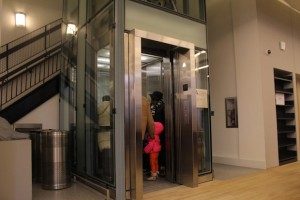
The 17,000-square-foot library now has an airi­er design, with new fur­ni­ture, ele­va­tors and wheel­chair lifts. The library also fea­tures 24 Apple iMacs – only the third in the sys­tem to fea­ture Apple com­put­ers.

extralarge-300x200-9088283

extralarge1-300x200-4205257

Wash­ing­ton Heights Library 1000 St. Nicholas Avenue (at W. 160th St.) New York, NY 10032–5202

(212) 923‑6054

Library Man­ag­er: Vianela Rivas

Mon­day Tues­day Wednes­day Thurs­day Fri­day Sat­ur­day Sun­day
11:00 AM –
7:00 PM
11:00 AM –
6:00 PM
11:00 AM –
7:00 PM
11:00 AM –
6:00 PM
10:00 AM –
5:00 PM
10:00 AM –
5:00 PM
CLOSED

515 Edgecombe Cooperative

[This post is based on the arti­cle by grownyc.org]

wastestream_web-300x253-4740142

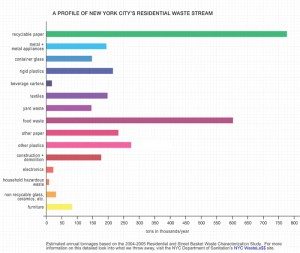
Around 40% of NYC’s waste can be recy­cled through the curb­side recy­cling pro­gram.

Recy­clable Paper
Near­ly a quar­ter of NYC’s waste is recy­clable paper! Be sure to recy­cle all clean paper. Reduce your car­bon foot­print fur­ther by tak­ing your name off of mass mail­ing lists, reduc­ing cat­a­log waste, opt­ing out of offers for cred­it cards and insur­ance and stop­ping unwant­ed tele­phone books–learn how at NYCWaste­Less.

Met­al & Met­al Appli­ances
Recy­cle cans, clean alu­minum foil and “most­ly met­al” house­hold items with at least 50% met­al con­tent. Bulky met­al such as shelves and appli­ances should be placed next to your recy­cling bins or bags on recy­cling day (call 311 first for appli­ances that require CFC removal such as air con­di­tion­ers and refrig­er­a­tors). Con­serve even more resources by donat­ing reusable met­al items. For exam­ple, bikes and bike parts can be used by Recy­cle a Bicy­cle or Time’s UP! to get more New York­ers on two wheels.

Con­tain­er Glass
Unbro­ken bot­tles and jars are recy­clable through NYC’s curb­side recy­cling pro­gram. Emp­ty and rinse con­tain­ers and remove, then recy­cle, met­al caps and lids. Recy­cle nat­ur­al corks with Cork Rehar­vest using bins locat­ed at Whole Foods mar­kets in NYC.

Rigid Plas­tics
As of April 23, 2013, New York­ers can recy­cle all rigid plas­tics, includ­ing yogurt cups, plas­tic toys, sal­ad con­tain­ers, sham­poo bot­tles, plas­tic fur­ni­ture and plas­tic appli­ances.  Learn more.

Bev­er­age Car­tons
Gable-top and asep­tic con­tain­ers (think O.J., milk, soy milk and box­es of soup stock) are includ­ed in the City’s recy­cling pro­gram. Rinse and place with your glass, met­al and plas­tic recy­clables.

Tex­tiles
Mate­ri­als such as old cloth­ing and linens rep­re­sent almost 6% of NYC’s waste. Recy­cle your unwant­ed tex­tiles at one of GrowNYC’s week­ly tex­tile col­lec­tions at select Green­mar­kets. Large apart­ment build­ings can sign up for an in-build­ing pro­gram through Wear­able Col­lec­tions or Refash­ioNYC. If your run­ning shoes are worn com­plete­ly, you can also recy­cle them through the Reuse-a-Shoe pro­gram, which makes them into ath­let­ic sur­faces.

Yard Waste
4% of the res­i­den­tial waste in our con­crete jun­gle actu­al­ly comes from yards and green spaces. If you’re lucky enough to have a patch of grass, leave it on the lawn after mow­ing. Col­lect fall leaves for com­post and be sure to con­tact the Parks Depart­ment for prop­er removal of any tree prun­ings and oth­er organ­ic woody debris if you live in Brook­lyn, Man­hat­tan, Queens or Stat­en Island.

Food Waste
Why let your food scraps go to waste? There are sev­er­al local pro­grams offer­ing com­post­ing to turn your cof­fee grounds, veg­etable trim­mings and oth­er organ­ic mate­ri­als into “black gold” to fer­til­ize flow­ers, veg­eta­bles and trees sans harm­ful chem­i­cals. 35 of GrowNYC’s Green­mar­kets now accept res­i­den­tial kitchen scraps for com­post­ing. Click here to find oth­er com­mu­ni­ty drop-off sites. You can also learn to make your own com­post at home. Vis­it NYC Waste­Less for more resources.

For food that is still edi­ble, check out this handy inter­ac­tive map from the NYC Coali­tion Against Hunger to find a soup kitchen or food pantry near you. Large vol­umes of canned food can be donat­ed through the Food Bank for NYC. Con­tact City Har­vest for infor­ma­tion on donat­ing large amounts of fresh, per­ish­able and pre­pared food.

Oth­er Paper
Cer­tain types of paper such as tis­sues, nap­kins, food-soiled paper, lam­i­nat­ed papers, cups, plates, and take-out con­tain­ers are not recy­clable in NYC. Reduce your use of sin­gle-use, dis­pos­able items and com­post food-soiled nap­kins and paper tow­els that are free of tox­ic clean­ers or oth­er harm­ful chem­i­cals.

Oth­er Plas­tic
New York­ers dis­card near­ly 2,000 tons of plas­tic bags every week, not to men­tion the ones that land in trees and sew­ers rather than the trash recep­ta­cle. The key is to reduce your use of plas­tic bags.  Use bags a sec­ond time for shop­ping, tak­ing out the trash, or clean­ing up after the dog.  Clean and dry bags can be recy­cled at large retail stores and chains around the city, thanks to a recent law that requires recy­cling of plas­tic film such as shop­ping bags, dry clean­ing bags and news­pa­per bags.  Look for ways to reduce Sty­ro­foam waste by bring­ing your own to-go cup, buy­ing wise­ly at the super­mar­ket and ask­ing restau­rants to use alter­na­tive pack­ag­ing.

Con­struc­tion and Demo­li­tion (C&D)
Reduce and reuse when you ren­o­vate. Save mon­ey by buy­ing from and donat­ing to NYC’s build­ing mate­ri­als reuse cen­ter, Build It Green!. Vis­it their web­site to view the inven­to­ry of items like cab­i­nets, doors, appli­ances, paint and even decon­struc­tion ser­vices.

Elec­tron­ics
Although they are a small por­tion of the waste stream by vol­ume, com­put­ers and elec­tron­ics con­tribute about 70% of the heavy met­als in land­fills. Con­sid­er donat­ing work­ing elec­tron­ics. If bro­ken, there are many recy­cling oppor­tu­ni­ties for these items. Find upcom­ing col­lec­tion days on our Recy­cling Events page, vis­it Take It Back NYC for info on man­u­fac­tur­er and retail recy­cling at loca­tions such as Best Buy, Sta­ples and Good­will stores.  Recy­cling is eas­i­er than ever with the Low­er East Side Ecol­o­gy Center’s new e‑waste drop-off ware­house in the Gowanus sec­tion of Brook­lyn.  As of April 1, 2011, New York State Law requires man­u­fac­tur­ers of many elec­tron­ics to col­lect their prod­ucts from res­i­dents at no charge. Be pre­pared for 2015, when cer­tain elec­tron­ics will be pro­hib­it­ed from res­i­den­tial trash.

Cell phones are easy to recy­cle, due to a NY State law requir­ing any store sell­ing cell phones to take them back for recy­cling. You can also recy­cle or refur­bish your old phone for a cause through many char­i­ta­ble orga­ni­za­tions.

Recy­cle CDs, flop­py disks, VHS tapes, etc. by pur­chas­ing a Tech­no­trash bin from Green Disk or recy­cle select media at Best Buy.

House­hold Haz­ardous Waste (HHW)
Most of NYC’s HHW con­sists of dry cell bat­ter­ies and water-based paints & adhe­sives, but also includes oil fil­ters, antifreeze, wet cell bat­ter­ies, motor oil, fuel, mer­cury wastes, oil-based sol­vents, paint, pes­ti­cides and fire extin­guish­ers. When­ev­er pos­si­ble, avoid buy­ing harm­ful mate­ri­als that cre­ate dis­pos­al haz­ards. Learn more about reduc­ing tox­ins in your waste.

The NYC Depart­ment of Sanitation’s Spe­cial Waste Drop-Off Sites accept house­hold and auto­mo­tive bat­ter­ies, flu­o­res­cent bulbs, mer­cury ther­mome­ters and ther­mostats, motor oil, trans­mis­sion flu­id, latex paint and pas­sen­ger car tires.  In Spring 2013, DSNY’s NYC SAFE Dis­pos­al events will accept elec­tron­ics and oth­er poten­tial­ly harm­ful house­hold prod­ucts like bat­ter­ies, paint, pes­ti­cides and med­i­cine.  

Recharge­able bat­ter­ies are pro­hib­it­ed from house­hold garbage and must be recy­cled. NYC stores must recy­cle the same type of recharge­able bat­ter­ies that they sell. Cell phones and their bat­ter­ies can be returned to any store that sells these mobile devices. Select Green­mar­kets have col­lec­tion bins for cell phones and recharge­able bat­ter­ies or you can vis­it www.RBRC.org to get a bin for your apart­ment build­ing.

Com­pact Flu­o­res­cent Light bulbs (CFLs) save ener­gy and last much longer, but con­tain mer­cury and should be dis­posed of respon­si­bly. Get more info on light bulb recy­cling and find a drop-off site at www.grownyc.org/CFL.

Some local mem­bers and part­ners of the Nation­al Com­mu­ni­ty Phar­ma­cists Asso­ci­a­tion accept phar­ma­ceu­ti­cals for safe dis­pos­al. For more infor­ma­tion on safe han­dling of house­hold med­ical wastes vis­it NYC WasteLe$$.
Mis­cel­la­neous Inor­gan­ics and Non-Recy­clable Glass
Reuse old win­dows (see C&D), mir­rors and unwant­ed ceram­ics where pos­si­ble.

Fur­ni­ture
Many thrift stores and non-prof­it orga­ni­za­tions can help pro­vide good homes for unwant­ed fur­ni­ture. Search by bor­ough, zip code or find city­wide list­ings using NYC Stuff Exchange. You can also look for tak­ers through Craigslist.org and Freecycle.org.

Recycling : 515 Edgecombe Cooperative

We con­tin­ue to receive fines from NYC for hun­dreds of dol­lars for recy­cling. The cost of each fine con­tin­ues to rise with each vio­la­tion. It is imper­a­tive that we all pay close atten­tion to our recy­cling respon­si­bil­i­ties. Please take anoth­er look at the fly­ers that will be dis­trib­uted.

Cat­e­go­ry: Lat­est News

Annual Shareholders Meeting 2013 : 515 Edgecombe Cooperative

NOTICE OF ANNUAL SHAREHOLDERS’ MEETING

515 EDGECOMBE OWNERS CORPORATION

To the Share­hold­ers:

In accor­dance with the Bylaws of this Cor­po­ra­tion, the annu­al meet­ing of Share­hold­ers will be held at7:30pm, on Tues­day the 14th day of May 2013, at 515 Edge­combe Avenue, in the City of New York, State of New York.

The pur­pose of this meet­ing is to elect Direc­tors and to trans­act any oth­er nec­es­sary busi­ness. Nom­i­na­tions for Board Direc­tors are request­ed by Fri­day, May 10.

Share­hold­ers of record at the close of busi­ness on Fri­day, 10 May 2013 are enti­tled to vote in per­son or by proxy at the meet­ing or any adjourn­ment or adjourn­ments there­of.

Dat­ed:  1 April 2013

Click here to down­load the Proxy Form.

Cat­e­go­ry: Lat­est News

Neighborhood : 515 Edgecombe Cooperative

515 Edge­combe Avenue (“combe” is derived from an Anglo-Sax­on word mean­ing “hill”) is locat­ed in a neigh­bor­hood bathed in his­to­ry.

Morris-Jumel Mansion

main-17651-300x200-9706281Just 2 blocks north of our build­ing is the his­toric Mor­ris-Jumel Man­sion. Gen­er­al Wash­ing­ton used Mor­ris-Jumel Man­sion (MJM) as his head­quar­ters dur­ing the fall of 1776. It was dur­ing this peri­od that the General’s troops forced a British retreat at the Rev­o­lu­tion­ary War Bat­tle of Harlem Heights

The house was built eleven years before the rev­o­lu­tion, in 1765, by British Colonel Roger Mor­ris and his Amer­i­can wife, Mary Philipse. The breezy hill­top loca­tion proved an ide­al loca­tion for the family’s sum­mer home. Known as Mount Mor­ris, this north­ern Man­hat­tan estate stretched from the Harlem to the Hud­son Rivers and cov­ered more than 130 acres. Because they were loy­al to the crown, the Mor­ris­es were even­tu­al­ly forced to return to Eng­land.

Dur­ing the war, the hill­top loca­tion of the Man­sion was val­ued for more than its cool sum­mer breezes. With views of the Harlem Riv­er, the Bronx, and Long Island Sound to the east, New York City and the har­bor to the south, and the Hud­son Riv­er and Jer­sey Pal­isades to the west, Mount Mor­ris proved to be a strate­gic mil­i­tary head­quar­ters. Short­ly after the Bat­tle of Harlem Heights, Wash­ing­ton and his troops left the Man­sion and, for a time, it was occu­pied by British and Hes­s­ian forces.

Pres­i­dent Wash­ing­ton returned to the Man­sion on July 10, 1790, and dined with mem­bers of his cab­i­net. Guests at the table includ­ed two future Pres­i­dents of the Unit­ed States: Vice Pres­i­dent John Adams and Sec­re­tary of State Thomas Jef­fer­son. Sec­re­tary of the Trea­sury Alexan­der Hamil­ton and Sec­re­tary of War Hen­ry Knox  also attend­ed.

The Man­sion is built in the Pal­la­di­an style, with a sec­ond sto­ry bal­cony and a two-sto­ry front por­ti­co sup­port­ed by clas­si­cal columns. The two-sto­ry octa­gon at the rear of the house is believed to be the first of its kind any­where in the colonies. The first floor of the 8,500 square foot house fea­tures rooms for fam­i­ly and social gath­er­ings, and includes the par­lor in which Madame Eliza Jumel mar­ried Aaron Burr in 1833. Across the hall stands the din­ing room where Wash­ing­ton like­ly enter­tained his guests in 1790. At the far end of the hall, the octag­o­nal draw­ing room, or with­draw­ing room as it is prop­er­ly known, pro­vid­ed a grand set­ting for social gath­er­ings. Bed­rooms on the sec­ond floor include those of George Wash­ing­ton, Eliza Jumel, and Aaron Burr. The base­ment hous­es the colo­nial-era kitchen and tells the sto­ry of domes­tic servi­tude at the Man­sion. The room fea­tures the orig­i­nal hearth and a bee-hive oven as well as a col­lec­tion of ear­ly Amer­i­can cook­ing uten­sils. Through archi­tec­ture and a diverse col­lec­tion of dec­o­ra­tive arts objects, each room of the Mor­ris-Jumel Man­sion reveals a spe­cif­ic aspect of its col­or­ful his­to­ry from the 18th through the 19th cen­turies.

[This text is tak­en from the Mor­ris-Jumel Man­sion web­site.]

Coogan’s Bluff

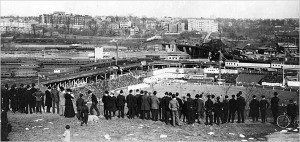
Coogan’s Bluff, a large cliff extend­ing north­ward from 155th Street in Man­hat­tan, once was the site of the fabled Polo Grounds, the home of the New York Giants (base­ball) for over 5 decades, and the first home of the New York Mets. 

To the north of High­bridge park is a wood­ed area with­in which lies a land­mark schist rock that pokes through the dirt called Coogan’s Bluff.  It is named after James Coogan, Man­hat­tan Bor­ough Pres­i­dent, who sold the land to New York Giants own­er John T. Brush, who moved the Giants to the sec­ond Polo Grounds in 1891.

It sits atop a steep escarp­ment that descends 175 feet to the Harlem Riv­er Val­ley below.  In 1891, John T. Brush (1845–1912), the Giants’ own­er, bought the land for the sta­di­um from James J. Coogan (1845–1915), a real estate mer­chant and Man­hat­tan Bor­ough Pres­i­dent (1899–1901).

The Giants orig­i­nal­ly played in a polo field on 111th Street between Fifth and Sixth Avenues. Brush kept the name, Polo Grounds, when he moved the team to Coogan’s Bluff in 1891. In April 1911, the Polo Grounds, an elab­o­rate wood­en struc­ture, burned to the ground. By Octo­ber, the Giants were host­ing the Philadel­phia Ath­let­ics for the 1911 World Series in a rebuilt sta­di­um of con­crete and steel. The new Polo Grounds boast­ed box seats of Ital­ian mar­ble, orna­men­tal Amer­i­can eagles on the balustrade, and blue and gold ban­ners, 30 feet apart, fly­ing from a can­tilever roof. At the time, it was the pre­mier Major League Base­ball sta­di­um.

anderson_span-300x142-4700419Base­ball soon estab­lished itself as the quin­tes­sen­tial Amer­i­can game, and the New York Giants made sig­nif­i­cant con­tri­bu­tions to 20th cen­tu­ry base­ball lore. Mel Ott (1909–1958) and Willie Mays (b.1931) are thought to be among the finest play­ers of all time; and the names of Christy Math­ew­son (1878–1925) and Carl Hubbell (1903–1988) are still men­tioned when­ev­er great pitch­ers are dis­cussed. The Giants also pro­vid­ed base­ball with one of its most dra­mat­ic moments: “the shot heard round the world.” In 1951, the Giants and their arch-rivals the Brook­lyn Dodgers were in the ninth inning of the decid­ing game in a play-off to deter­mine the Nation­al League pen­nant win­ner. With two outs left in the game, the Dodgers were ahead 4–2 when Bob­by Thom­son came to bat for the Giants and hit a 3‑run home run win­ning the game for the Giants, and mak­ing base­ball his­to­ry.

In 1957, the own­er of the Giants, Horace Stone­ham (1903–1990) broke many New York hearts when he announced that he was mov­ing the Giants to San Fran­cis­co. The Polo Grounds remained for sev­en more years, serv­ing as home to the New York Mets for the 1962 and 1963 sea­sons. In 1964 the sta­di­um was demol­ished and now the Polo Grounds Tow­ers, a hous­ing project, occu­pies the site. All that is left of the orig­i­nal Polo Grounds is an old stair­case on the side of the cliff that once led to the tick­et booth.

Today, Coogan’s Bluff is part of High­bridge Park, which was assem­bled piece­meal between 1867 and the 1960s, with the bulk being acquired through con­dem­na­tion from 1895 to 1901. The cliff­side area from West 181st Street to Dyck­man Street was acquired in 1902, and the par­cel includ­ing Fort George Hill was acquired in 1928. The park extends from 155th Street in North Harlem to Dyck­man Street in Wash­ing­ton Heights/Inwood. The Friends of High­bridge Park are involved in pre­serv­ing the park’s his­to­ry and the New York Restora­tion Project has cleaned the park and restored its trails.

[This text is part of Parks’ His­tor­i­cal Signs Project and can be found post­ed with­in the park.]

Paul Robeson Residence

The Paul Robe­son Res­i­dence, a Nation­al His­toric Land­mark, is locat­ed at 555 Edge­combe Avenue in New York City.

Paul Robe­son (1898–1976) — actor, singer, civ­il rights advo­cate — lived in an apart­ment in this 13 sto­ry apart­ment build­ing from 1939–1941, upon his return from liv­ing and per­form­ing in Europe.

Paul Robe­son was a gift­ed stu­dent and ath­lete while attend­ing Rut­gers Uni­ver­si­ty in New Jer­sey. He was a bril­liant Phi Beta Kap­pa stu­dent, two time All Amer­i­can foot­ball play­er (1917–1918), and won hon­ors in debat­ing and ora­to­ry. He grad­u­at­ed from Colum­bia Law School but gave up law to pur­sue a career in singing and act­ing. Robe­son per­formed on Broad­way, and is not­ed for his lead­ing roles in Oth­el­lo and Eugene O’Neill’s play, Emper­or Jones, and his stun­ning ren­di­tion of the song “Ole Man Riv­er” in the musi­cal Show­boat. In 1934, he vis­it­ed the Sovi­et Union, where he felt ful­ly accept­ed as a black artist. Dur­ing World War II, he enter­tained troops at the front and sang bat­tle songs on the radio.

In 1937, Robe­son wrote, “the artist must elect to fight for free­dom or for slav­ery. I have made my choice. I have no alter­na­tive.” He con­tin­ued this fight for free­dom, both polit­i­cal and artis­tic, until his death in 1976.

Despite his war efforts, he was labeled “sub­ver­sive” by McCarthyites, who were wary of his ear­li­er trip to the Sovi­et Union, his sup­port of the 1947 St. Louis pick­et­ing against seg­re­ga­tion of black actors and a Pana­ma effort to orga­nize the most­ly-black Pana­man­ian work­ers. Robe­son began receiv­ing death threats from the Ku Klux Klan while cam­paign­ing for the Pro­gres­sive Par­ty can­di­date in the 1948 pres­i­den­tial elec­tion. When he pub­licly opposed the Cold War, even the nation­al sec­re­tary of the NAACP ques­tioned his loy­al­ty as an Amer­i­can. Con­necti­cut state offi­cials also went to court to pre­vent him from vis­it­ing his fam­i­ly home in Enfield. Undaunt­ed, Robe­son for­mal­ly denounced the action and on August 27, 1949, trav­eled to Peek­skill, New York, to sing before a group of African Amer­i­can and Jew­ish trade union­ists. A KKK-led riot can­celed the con­cert but Robe­son returned the fol­low­ing week with 25,000 sup­port­ers. A “human wall” pro­tect­ed Robe­son while he sang, though after­wards many of the con­cert goers were ambushed and beat­en while local police and state troop­ers stood by.

In March 1950, NBC barred Robe­son from appear­ing on a tele­vi­sion show with Eleanor Roo­sevelt. Con­cert halls closed their doors to him, and his records began to dis­ap­pear from stores. After eight years, an inter­na­tion­al out­cry, and the Supreme Court’s rever­sal of the same sit­u­a­tion for the artist Rock­well Kent in 1958, Robe­son won.

House Rules : 515 Edgecombe Cooperative

IMPORTANT RULES TO OBSERVE

Sub-let­ting: A share­hold­er may only sub­let an apart­ment with the express approval in writ­ing from the Board of Direc­tors or the Man­ag­ing Agent, and pro­vid­ed the share­hold­er has been res­i­dent for at least one year. The max­i­mum peri­od of the sub­let shall be for one year. Appli­ca­tions to extend the sub­let for sub­se­quent peri­ods beyond the ini­tial one year shall be sub­ject to a re-appli­ca­tion process and fee. Any share­hold­er wish­ing to sub­let their unit shall pay the Coop­er­a­tive a Sub­let Fee. That fee shall be the equiv­a­lent of one month’s main­te­nance for the said unit for each peri­od of sub­let. (Adopt­ed by a res­o­lu­tion of the Board on 12 Sep­tem­ber 2005).

Mov­ing times and large deliv­er­ies: Moves in and out and large deliv­er­ies shall take place only on Mon­days to Fri­days, except pub­lic hol­i­days, between the hours of 9:00 a.m. to 6:00 p.m.

Home Own­ers Insur­ance: All Lessees must obtain com­pre­hen­sive Home Own­ers Insur­ance Lia­bil­i­ty Cov­er­age for any and all apart­ments or shares they own. A copy of the cer­tifi­cate of Home own­ers Insur­ance Lia­bil­i­ty must be sub­mit­ted to the Board of the Lessor or des­ig­nat­ed Man­ag­ing agent.

Trash and Garbage: No trash dis­pos­al should take place between the hours of 10 p.m. and 8 a.m. on week­days and between the hours of 10 p.m. and 9 a.m. on Sat­ur­days, Sun­days and pub­lic hol­i­days.

Share­hold­ers and res­i­dents are respon­si­ble for plac­ing garbage and non-recy­clable trash into the recep­ta­cles pro­vid­ed for garbage and non-recy­clable trash dis­pos­al, and should:

  • wrap dust, floor and pow­dered waste in com­pact pack­ages before dis­pos­al;
  • thor­ough­ly drain and wrap in paper all garbage before dis­pos­al;
  • refrain from forc­ing large bun­dles into the recep­ta­cles;
  • crush into tight bun­dles all loose papers and card­board box­es before dis­pos­al.

HOUSE RULES

1. Cre­ation and Pur­pose of House Rules In addi­tion to its pro­pri­etary lease, 515 Edge­combe Avenue Corp. (here­inafter the Lessor) has adopt­ed the House Rules (as amend­ed by a res­o­lu­tion of the Board of Direc­tors on 23rd May 2005) set forth here­inafter for the safe­ty, care, clean­li­ness and appear­ance of the Build­ing and for the com­mon good of all lessees. (a) The Lessee has covenant­ed by the pro­pri­etary lease to com­ply with the House Rules of the Lessor and to see that they are faith­ful­ly observed by the Lessee’s invi­tees, licensees, employ­ees, agents, con­trac­tors and sub­tenants and oth­ers as are per­mit­ted to co-reside in the Apart­ment with the Lessee here­un­der. Breach of a House Rule by any of these par­ties shall be a default under the Lease. (b) The Lessor shall not be respon­si­ble or liable to the Lessee for the non-obser­vance or vio­la­tion of these House Rules by any oth­er lessee or per­son. © The Board of Direc­tors (here­inafter the Board) may set such fees as it deems rea­son­able and prop­er, and such fines as it deems rea­son­able and prop­er, to fur­ther the obser­vance of the House Rules.

(d) The Board may, from time to time, in its dis­cre­tion alter, amend or repeal any of these House Rules. Any such change shall take effect upon the Lessor’s giv­ing the Lessee writ­ten notice of the same.

2. Emer­gency Con­tact Infor­ma­tion; Keys
The Lessee shall pro­vide the Lessor or Lessor’s Man­ag­ing Agent (here­inafter the Man­ag­ing Agent) with a tele­phone num­ber where the Lessee may be reached at home and at the Lessee’s place of busi­ness. The Lessee also shall pro­vide the Lessor or Man­ag­ing Agent with an emer­gency con­tact name and tele­phone num­ber. The Lessor and its agents and their autho­rized work­men shall have right of entry into the Lessee’s apart­ment or any stor­age space assigned in accor­dance with para­graph (25) of the pro­pri­etary lease.

3. No Obstruc­tion of Pub­lic Spaces and Pas­sage­ways (a) The Lessee shall not obstruct the front stoop and entrance, stair­ways, pub­lic halls, lob­bies, vestibules, entrances, side- and back­yards, side­walks, walk­ways, pas­sages, dri­ve­ways or oth­er pub­lic spaces in the Build­ing (here­inafter referred as “Pub­lic Spaces”). The Pub­lic Spaces shall be used only for ingress to and egress from the apart­ments in the Build­ing. No trash recep­ta­cles, bicy­cles, car­riages, shop­ping carts or sim­i­lar objects shall be placed or left unat­tend­ed in the Pub­lic Spaces. No Lessee, oth­er res­i­dent, or invi­tee shall sit on the front stoop of the Build­ing. (b) No per­son shall loi­ter in the Pub­lic Spaces, and no per­son shall play in them except in the des­ig­nat­ed areas and in accord with rules and reg­u­la­tions spec­i­fied in the House Rules or by the Board or the Man­ag­ing Agent.

© No arti­cle shall be kept or stored in the Pub­lic Spaces except in des­ig­nat­ed stor­age areas, nor shall any­thing be hung or shak­en from the doors, win­dows, ter­races or bal­conies, or placed upon the exte­ri­or sills or ledges of the Build­ings.

4. Roofs
No per­son shall be per­mit­ted access to roofs of the Build­ing, except in the case of fire. The Lessor shall have the right to erect equip­ment on the roof, includ­ing radio and tele­vi­sion aeri­als and anten­nas, for its use and the use of the lessees in the Build­ing and shall have the right of access to the Apart­ment for such instal­la­tions and for the repairs there­of.

5. Mes­sen­gers and Trades peo­ple
All mes­sen­gers and trades peo­ple shall use such means of ingress and egress, and shall com­ply with such rules and reg­u­la­tions, as shall be pre­scribed by the Lessor, the Man­ag­ing Agent or the Board.

6. Moves and Large Deliv­er­ies
Moves in or out and large deliv­er­ies shall take place only on such days and times, and in accord with such rules and reg­u­la­tions, as are pre­scribed by the Board or Man­ag­ing Agent. The Lessor reserves the right, in addi­tion to oth­er reme­dies, to pre­vent or halt any deliv­ery or move which vio­lates said rules and reg­u­la­tions.

7. Trash and Garbage The Lessee shall be respon­si­ble for plac­ing garbage and non-recy­clable trash into the recep­ta­cles pro­vid­ed for garbage and non-recy­clable trash dis­pos­al. Recy­clable, haz­ardous and over­sized trash shall be sep­a­rat­ed by the Lessee and dis­posed of in such man­ner as the Board or Man­ag­ing Agent may pre­scribe. The Lessee shall be respon­si­ble for plac­ing recy­clable trash into the recep­ta­cles pro­vid­ed for recy­clable trash dis­pos­al. (a) The Lessee will faith­ful­ly observe the fol­low­ing pro­ce­dures with respect to the use of the recep­ta­cles for trash dis­pos­al: (i) wrap dust, floor and pow­dered waste in com­pact pack­ages before deposit­ing the same; (ii) thor­ough­ly drain and wrap in paper all garbage before deposit­ing the same; (iii) refrain from forc­ing large bun­dles into the recep­ta­cles; (iv) crush into tight bun­dles all loose papers before plac­ing the same in the recep­ta­cles; (v) large trash items should not be left in the vicin­i­ty of the trash recep­ta­cles but placed in the des­ig­nat­ed area in the back­yard; (vi) refrain from deposit­ing waste of an explo­sive or inflam­ma­ble nature there­in; (vii) no trash dis­pos­al should take place between the hours of 10 p.m. and 8 a.m. on week­days and between the hours of 10 p.m. and 9 a.m. on Sat­ur­days, Sun­days and pub­lic hol­i­days.

(b) All lia­bil­i­ty, expens­es, costs and fees incurred by the Lessor in con­nec­tion with any dam­age or injury or in con­nec­tion with any vio­la­tion issued against Lessor or the Build­ing, by rea­son of the Lessee’s fail­ure to abide by this House Rule, shall be the respon­si­bil­i­ty of the Lessee and payable to the Lessor on demand.

8. Falling or Thrown Objects and Refuse
The Lessee shall not allow any­thing what­ev­er to fall from the win­dows, doors, bal­conies or ter­races of the Apart­ment, nor shall the Lessee per­mit any dirt or oth­er sub­stance to be swept or thrown into any of the cor­ri­dors or halls, ele­va­tors or any oth­er Pub­lic Spaces in the Build­ing. All lia­bil­i­ty, expens­es, costs and fees incurred by the Lessor in con­nec­tion with any dam­age or injury or in con­nec­tion with any vio­la­tion issued against Lessor or the Build­ing, by rea­son of the Lessee’s fail­ure to abide by this House Rule, shall be the respon­si­bil­i­ty of the Lessee and payable to the Lessor on demand.

9. Awnings, Pro­jec­tions and Signs. (a) No awnings, win­dow air con­di­tion­ing units, ven­ti­la­tors or any oth­er object shall be attached to the out­side walls of the Build­ings, nor shall any such object be hung or allowed to project from win­dows or the exte­ri­or of the Build­ings or the perime­ter of ter­races or bal­conies, with­out the pri­or writ­ten con­sent of the Lessor. Clothes­lines are not per­mit­ted to be strung on ter­races or bal­conies or in Pub­lic Spaces. (b) No sign, notice, illu­mi­na­tion or adver­tise­ment shall be exposed on or at any win­dow or oth­er part of the Build­ing, or placed on or in any ter­race or bal­cony, with­out the pri­or writ­ten con­sent of the Lessor. © No awnings, blinds, shades or screens shall be attached to, or hung in, or used in con­nec­tion with any door of the Apart­ment with­out the Lessor’s pri­or writ­ten con­sent.

(d) The Lessee shall not uti­lize any ter­race or bal­cony for stor­age of box­es, fur­ni­ture or oth­er items that in Lessor’s judg­ment are haz­ardous or cre­ate a haz­ardous con­di­tion or present an unsight­ly appear­ance to neigh­bours or passers-by.

10. TV Anten­na
No radio or tele­vi­sion aer­i­al, anten­na, dish or cable shall be installed by the Lessee on the roof, ter­race, exte­ri­or win­dow sill or ledge, bal­cony or exte­ri­or walls of the Build­ing.

11. Appli­ances (a) The Lessee shall install all major appli­ances (such as stoves, refrig­er­a­tors, dish­wash­ers and air con­di­tion­ers) in accor­dance with all applic­a­ble pro­vi­sions of the lease, includ­ing the Lessor’s con­sent if and when required, and of law, and shall noti­fy the Man­ag­ing Agent in advance of all such instal­la­tions. All work required to be done by a per­son licensed to per­form the work, such as plumb­ing and elec­tri­cal work, shall be per­formed only by duly licensed per­sons. (b) The Lessor shall have the right to con­duct peri­od­ic audits of the Lessee’s appli­ances. At its dis­cre­tion, the Board may levy a charge with respect to appli­ances, and may levy that charge retroac­tive­ly on appli­ances lat­er dis­cov­ered to have been installed with­out the Lessee giv­ing the required noti­fi­ca­tion or with­out the Lessor’s con­sent if and when such con­sent is required. © The Lessee shall be respon­si­ble for prompt­ly cor­rect­ing and ful­ly stop­ping any leak or drip com­ing from any appli­ance in the Lessee’s apart­ment, par­tic­u­lar­ly as the same applies to air con­di­tion­ers.

(d) Lessee shall pay a cartage fee as set from time to time by the Board for the removal and dis­pos­al of bro­ken or unwant­ed large appli­ances such as refrig­er­a­tors, stoves and air-con­di­tion­ers and large items of fur­ni­ture. Nei­ther the Lessee nor any­one in the Lessee’s house­hold or employ shall dis­pose of any appli­ance or oth­er prop­er­ty in the hall­ways, base­ment or oth­er Pub­lic Spaces, or store any such appli­ance in the Lessor’s stor­age rooms, unless and until writ­ten per­mis­sion is obtained from the Man­ag­ing Agent and the Lessee pays the cartage fee to the Lessor.

12. Dec­o­ra­tions in Hall­ways
No pub­lic hall­way of any Build­ing, includ­ing the apart­ment door and oth­er doors open­ing into the pub­lic hall­way, may be dec­o­rat­ed, fur­nished or paint­ed by any Lessee with­out the con­sent of the Lessor and of all the lessees to whose apart­ments such hall­way serves as the means of ingress and egress. In the event of dis­agree­ment among such lessees, the Board shall decide and such deci­sion shall be con­clu­sive.

13. Co-Res­i­dents and Sub-let­ting A Lessee or joint Lessees are per­mit­ted to share their Apart­ment with an addi­tion­al res­i­dent or res­i­dents only to the extent express­ly per­mit­ted in this lease, and sub­ject to the Lessor’s max­i­mum occu­pan­cy require­ments as the same are deter­mined from time to time by the Board. At no time shall max­i­mum occu­pan­cy exceed stan­dards set by the hous­ing main­te­nance code or any oth­er gov­ern­ing author­i­ty. (a) Autho­rized co-resident(s) may occu­py the Apart­ment as their res­i­dence, pro­vid­ed the Lessee or joint Lessees con­tin­ue to occu­py the Apart­ment, and pro­vid­ed the co-resident(s) occu­py the apart­ment con­cur­rent­ly with the Lessee(s). Oth­er­wise, the arrange­ment shall con­sti­tute a sub­let, not a co-res­i­den­cy and must be applied for as a sub­let, sub­ject to the pro­vi­sions of para­graph (15) of the pro­pri­etary lease. Any co-res­i­dents must vacate the Apart­ment prompt­ly when the Lessee(s) cease to occu­py it, for any rea­son; (b) A domes­tic or per­son­al employ­ee of the Lessee, such as a nurse or house­keep­er, may reside in the Apart­ment, pro­vid­ed that the Lessee is also in occu­pan­cy at the same time, unless the Lessor shall oth­er­wise approve in writ­ing; © Lessees who share their apart­ment with a co-res­i­dent or co-res­i­dents are ful­ly respon­si­ble for the con­duct of the co-resident(s) with­in the Apart­ment and the Build­ing and for any vio­la­tions by said co-resident(s) of the lease or of poli­cies and rules adopt­ed by the Board; (d) With­in thir­ty (30) days after a co-res­i­dent begins to occu­py an apart­ment in the Build­ing, or as soon there­after as the Lessor may request it, the Lessee shall pro­vide the Lessor with the co-resident’s name and oth­er rea­son­able infor­ma­tion. A for­mal appli­ca­tion is required. The Lessor fur­ther reserves the right to require that both the co-res­i­dent and the Lessee(s) be inter­viewed by the Lessor’s res­i­dent selec­tion com­mit­tee, the Man­ag­ing Agent and/or oth­er del­e­gate of the Board. A basic back­ground check will be con­duct­ed at the expense of the lessee, and the Lessor reserves the right to reject for cause any co-res­i­dent.

(e) A share­hold­er may only sub­let an apart­ment with the express approval in writ­ing from the Board of Direc­tors or the Man­ag­ing Agent, and pro­vid­ed the share­hold­er has been res­i­dent for at least one year. The max­i­mum peri­od of the sub­let shall be for one year. Appli­ca­tions to extend the sub­let for sub­se­quent peri­ods beyond the ini­tial one year shall be sub­ject to a re-appli­ca­tion process and fee. Any share­hold­er wish­ing to sub­let their unit shall pay the Coop­er­a­tive a Sub­let Fee. That fee shall be the equiv­a­lent of one month’s main­te­nance for the said unit for each peri­od of sub­let.

14. Guests
The right of Lessee to have guests in the Apart­ment shall not include pay­ing guests (which con­sti­tutes a sub­let sub­ject to the pro­vi­sions of para­graph (15) of the pro­pri­etary lease) and shall not enti­tle Lessee to oper­ate a board­ing house, room­ing house or bed-and-break­fast or any sim­i­lar enter­prise in the Apart­ment.

15. Max­i­mum Occu­pan­cy Stan­dards
The Board may estab­lish and vary, from time to time, and the Lessee shall com­ply with, max­i­mum occu­pan­cy stan­dards for the apart­ments in the Build­ing. At no time may they exceed the stan­dard set by the New York City hous­ing main­te­nance code or any oth­er gov­ern­ing author­i­ty.

16. Noise and Play­ing of Music; Smok­ing in Pub­lic Spaces (a) No Lessee, oth­er res­i­dent, or invi­tee shall (i) make any dis­turb­ing nois­es or sounds that will inter­fere with the rights, com­forts or con­ve­nience of oth­er occu­pants of the Build­ing; (ii) oper­ate audio or oth­er such equip­ment in a man­ner as to dis­turb or annoy any oth­er occu­pant or occu­pants of the Build­ing; or (iii) play any musi­cal instru­ment or con­duct vocal or instru­men­tal prac­tice between the hours of 10 p.m. and 9 a.m. or at any time if the same dis­turbs or annoys any oth­er occu­pant or occu­pants of the Build­ing. Vocal or instru­men­tal instruc­tion may not be giv­en at any time in the Apart­ment except as lessons to autho­rized res­i­dents of the Apart­ment, sub­ject to the fore­go­ing restric­tions. (b) No work shall be done, except between the hours of 8 a.m. and 5 p.m., Sat­ur­days, Sun­days and hol­i­days exclud­ed, pro­vid­ed, how­ev­er, that any work which can pro­duce noise that might be dis­turb­ing to build­ing occu­pants, shall not be done before 10 a.m. © The Lessor may require the Lessee to pro­vide car­pet­ing or equal­ly effec­tive noise reduc­ing mate­r­i­al in the Apart­ment in accord with rules and reg­u­la­tions adopt­ed by the Board; pro­vid­ed that such require­ment shall be imposed on the Lessee only if the same require­ment is imposed on all lessees in the Build­ing, or if the Lessor has deter­mined that the con­duct of the Lessee or his or her invi­tees, licensees or co-res­i­dents requires such car­pet­ing.

(d) No one may smoke in the pub­lic halls, stair­ways, ele­va­tors, laun­dry rooms or oth­er Pub­lic Spaces of the Build­ing

17. Work by Lessor’s Employ­ees
No employ­ee of the Lessor shall per­form any pri­vate work or ser­vices for the Lessee, or the Per­mit­ted Occu­pants, or the Lessee’s employ­ees, invi­tees or con­trac­tors unless the Lessor has autho­rized its employ­ees to per­form such work and only at such times and in accord with such reg­u­la­tions as the Lessor may pre­scribe from time to time. The Lessor shall have no respon­si­bil­i­ty or lia­bil­i­ty what­so­ev­er with respect to any pri­vate work or ser­vices per­formed by its employ­ees regard­less of whether or not such work was autho­rized.

18. Home improve­ment To ensure the over­all pro­tec­tion of the phys­i­cal and struc­tur­al integri­ty of the build­ing, and as a cour­tesy to all share­hold­ers, all con­struc­tion or alter­ations under­tak­en in an apart­ment (with the excep­tion of dec­o­ra­tive work) must be approved in writ­ing by the Board or the Man­ag­ing Agent pri­or to the com­mence­ment of such work. Approval by the Board will require the Lessee to ful­ly com­ply with the fol­low­ing con­di­tions: (a) The Lessee must pro­vide a copy of the writ­ten estimate/contract with the ven­dor. The con­tract must include the vendor’s full name, address, license num­ber, insur­ance cer­tifi­cate, can­cel­la­tion clause, a clause stat­ing that the ven­dor will secure any nec­es­sary per­mits, and a Work­ers Com­pen­sa­tion clause. Tar­get com­ple­tion dates should be includ­ed and the list­ing of work-relat­ed items should be clear and as detailed as pos­si­ble. (b) Any ren­o­va­tions or alter­ations of an apart­ment involv­ing the floors or walls and ceil­ings will require that the Lessee seal and sound­proof those areas adja­cent to the apart­ment below, above, or adjoin­ing to the apart­ment that is being ren­o­vat­ed. © Dis­pos­al of demo­li­tion debris, con­struc­tion mate­ri­als, and any refuse asso­ci­at­ed to and aris­ing from the said con­struc­tion, ren­o­va­tion or alter­ation is the respon­si­bil­i­ty of the Lessee and their con­trac­tor. The dis­pos­al of such mate­ri­als must be per­formed in com­pli­ance with New York City dust and debris man­age­ment and lead laws, and under­tak­en out­side of the building’s refuse removal sys­tem. The Lessee and their con­trac­tor must ensure that all pub­lic spaces of the build­ing are clean of debris, dust, con­struc­tion tools, mate­ri­als and/or equip­ment at the end of each work day.

(d) The Lessee must report all prob­lems aris­ing from the defined con­struc­tion work to the con­trac­tor in writ­ing (Cer­ti­fied Mail pre­ferred) with pho­to­copies giv­en to the Board of the Lessor and/or its des­ig­nat­ed Man­ag­ing Agent.

19. Water Clos­ets
Water clos­ets and oth­er water appa­ra­tus in the Apart­ment shall not be used for any pur­pos­es oth­er than those for which they were con­struct­ed, nor shall any sweep­ings, rub­bish, rags or any oth­er arti­cle be thrown into the water clos­ets. The cost of repair­ing any dam­age result­ing from mis­use of any water clos­ets or oth­er appa­ra­tus shall be paid for by the Lessee in whose Apart­ment it shall have been caused.

20. Bro­ken Win­dows
The Lessee shall be respon­si­ble for replac­ing bro­ken win­dows unless the Lessor deter­mines that the break­age was caused by the neg­li­gence or wil­ful mis­con­duct of the Lessor’s employ­ees.

21. Clean Win­dows; Dis­plays
The Lessee shall keep the win­dows of the Apart­ment clean. In case of refusal or neglect of the Lessee dur­ing ten (10) days after notice in writ­ing from the Lessor or the Man­ag­ing Agent to clean the win­dows, such clean­ing may be done by the Lessor, which shall have the right, by its offi­cers or autho­rized agents, to enter the Apart­ment for the pur­pose and to charge the costs of such clean­ing to the Lessee. Win­dow dis­plays shall be sub­ject to the Lessor’s reg­u­la­tions regard­ing hours, light­ing and the like.

22. Ver­min
The Lessor or its des­ig­nat­ed agents, and any con­trac­tor or work­er autho­rized by the Lessor, may enter any Apart­ment at any rea­son­able hour of the day for the pur­pose of inspect­ing such Apart­ment to ascer­tain whether mea­sures are nec­es­sary or desir­able to con­trol or exter­mi­nate any ver­min, insect or oth­er pests and for the pur­pose of tak­ing such mea­sures as may be nec­es­sary to con­trol or exter­mi­nate any such ver­min, insects or oth­er pests. If the con­di­tion requir­ing such con­trol or exter­mi­na­tion was caused by the Lessee, then the costs there­of shall be payable by the Lessee to the Lessor on demand.

23. Dogs and Oth­er Ani­mals The Lessee agrees to com­ply with the pro­vi­sions here­of on the har­bor­ing of dogs or oth­er ani­mals or pets. No bird or ani­mal shall be kept or har­bored in the build­ing unless the same in each instance has been express­ly per­mit­ted in writ­ing by the Lessor, Man­ag­ing Agent or Board. Such per­mis­sion shall be revo­ca­ble by the Lessor. The Lessee here­by fur­ther agrees that these pro­vi­sions on the har­bor­ing of dogs or oth­er ani­mals or pets in this lease shall be deemed a sub­stan­tial oblig­a­tion of the Lessee’s ten­an­cy. (a) Dogs must be licensed by the New York City Depart­ment of Health. Cats must be spayed or neutered and must have received all required vac­ci­na­tions and immu­niza­tions. Pet own­ers are required to pro­vide the Lessor with doc­u­men­ta­tion of com­pli­ance with the require­ments of this house rule. In no event shall dogs be per­mit­ted in any pub­lic space of the build­ing unless car­ried or on leash. (b) The Lessee shall be respon­si­ble for elim­i­nat­ing any odor from the har­bor­ing of dogs or oth­er ani­mals or pets. The Lessee shall prompt­ly clean up any soil­ing of Pub­lic Spaces by their dogs or oth­er pets, and will be respon­si­ble for any dam­age caused by the same.

© No pigeons or oth­er birds or ani­mals shall be fed from the win­dow sills, ter­races, bal­conies or in the yard, court or Pub­lic Spaces of the build­ing, or on the side­walks or streets adja­cent to the build­ing.

24. Plant­i­ngs
The Lessee shall not install any plant­i­ngs on the roofs of the Build­ing, fire escapes, ter­race or bal­cony with­out the pri­or writ­ten approval of the Lessor or, if the Lessor has issued rules regard­ing such plant­i­ngs, the Lessee shall not install any plant­i­ngs with­out com­ply­ing with the rules. The Lessee shall be respon­si­ble for all dam­age or injury caused by any such plant­i­ngs. All lia­bil­i­ty, expens­es, costs and fees incurred by the Lessor in con­nec­tion with any dam­age or injury or in con­nec­tion with any vio­la­tion issued against Lessor or the Build­ing, by rea­son of the Lessee’s fail­ure to abide by this House Rule, shall be the respon­si­bil­i­ty of the Lessee and payable to the Lessor on demand.

25. Clean up
Nei­ther the Lessee, nor any per­son resid­ing in the Apart­ment nor any employ­ee, guest or invi­tee of the Lessee or of any per­son resid­ing in Apart­ment shall inten­tion­al­ly spill, drop, scat­ter, place or leave dirt, debris or oth­er unsight­ly or objec­tion­able liq­uids or mate­ri­als in any por­tion of the Pub­lic Spaces of the Build­ing. Lessee shall prompt­ly clean up all such dirt, debris or unsight­ly or objec­tion­able mate­ri­als or liq­uids inten­tion­al­ly or acci­den­tal­ly spilled, dropped, scat­tered, placed or left in any por­tion of the Pub­lic Spaces of the Build­ing by the Lessee or by any per­son resid­ing in the Apart­ment or any employ­ee, guest or invi­tee of the Lessee or of any per­son resid­ing in the Apart­ment.

26. Stor­age*
If and to the extent that stor­age space is pro­vid­ed to Lessees in the base­ments at the Lessee’s risk, such stor­age shall be sub­ject to rules and reg­u­la­tions adopt­ed by the Board, and may be cur­tailed or with­drawn at any time by the Board with­out in any man­ner affect­ing the Lessee’s oblig­a­tions. The Lessor shall have the right from time to time to cur­tail or relo­cate any space devot­ed to stor­age pur­pos­es. Stor­ing haz­ardous or flam­ma­ble mate­r­i­al, such as paint, in a stor­age bin is not per­mit­ted.

27. Laun­dry Rooms**
If and to the extent that laun­dry rooms are made avail­able to Lessees, the laun­dry rooms shall be used only dur­ing hours des­ig­nat­ed by the Lessor. Use of the laun­dry facil­i­ties shall be lim­it­ed to res­i­dents of the Build­ing and their house­hold employ­ees. Use of the laun­dry rooms shall be sub­ject to rules and reg­u­la­tions adopt­ed by the Board, and may be cur­tailed or with­drawn with­out in any man­ner affect­ing the Lessee’s oblig­a­tions.

28. Park­ing**
If and to the extent park­ing in or at the Build­ing is made avail­able to Lessees, the same shall be in accor­dance with rules and reg­u­la­tions adopt­ed by the Board. Vio­la­tion of any such rule or reg­u­la­tion, or breach of any park­ing agree­ment by the Lessee, shall con­sti­tute a default under the lease. Vio­la­tion of any pro­vi­sion under the lease shall con­sti­tute a default under the park­ing agree­ment. No vehi­cle belong­ing to the Lessee or to the Lessee’s invi­tees, licensees, employ­ees, con­trac­tors, sub­tenants and co-res­i­dents shall be parked any­where in the Build­ing except in the des­ig­nat­ed park­ing areas, nor shall any such vehi­cles be parked in such man­ner as to impede or pre­vent ready access to any entrance of the Build­ings by anoth­er vehi­cle or by pedes­tri­ans.

29. Com­mu­ni­ty Rooms**
If and to the extent Com­mu­ni­ty Rooms are made avail­able to Lessees in the Build­ing, the same may be used by the Lessor, Lessees, oth­er res­i­dents, and their invi­tees for meet­ings and social gath­er­ings in accor­dance with rules and reg­u­la­tions and any fees estab­lished by the Lessor. Such use may be cur­tailed or with­drawn with­out in any man­ner affect­ing the Lessee’s oblig­a­tions.

30. Open Hous­es, Group Tours, Exhi­bi­tions No open house, group tour, exhi­bi­tion of any Apart­ment or its con­tents shall be con­duct­ed by Lessees or agent(s) act­ing on their behalf, nor shall any auc­tion sale be held in any Apart­ment or in Pub­lic Spaces, with­out the con­sent of the Lessor, Board or Man­ag­ing Agent. (a) On the day of an open house the Lessee(s) or their agents shall ensure that: (i) a typed or print­ed notice must be promi­nent­ly dis­played on the exte­ri­or door of the front entrance to the Build­ing, clear­ly indi­cat­ing the hours dur­ing which the open house will take place, the Apart­ment num­ber and cor­re­spond­ing buzzer num­ber; (ii) the exte­ri­or and inte­ri­or doors of the front entrance to the Build­ing are not left open and unlocked dur­ing the peri­od of the open house; (iii) upon con­clu­sion of the open house all sig­nage, equip­ment, trash and oth­er debris shall be removed and the area(s) restored to the orig­i­nal con­di­tion imme­di­ate­ly before the com­mence­ment of prepa­ra­tions for the open house. (b) Prospec­tive buy­ers wish­ing to enter the Build­ing must either be met at the front entrance by the Lessee(s) or their agent(s) or grant­ed entry by the remote door secu­ri­ty sys­tem from the Apart­ment.

© The Lessee(s) and their agent(s) are respon­si­ble for ensur­ing that all appro­pri­ate locks and doors in the Build­ing are secured upon exit.

31. Con­ser­va­tion
The Lessee shall use best efforts to con­serve con­sump­tion of water, elec­tric­i­ty and gas in order to keep com­mon costs down. The Lessee shall prompt­ly report to the Lessor’s Man­ag­ing Agent, or to emer­gency main­te­nance staff on week­ends, any leak­ing faucets, run­ning toi­lets or oth­er prob­lems relat­ing to water, gas and elec­tric­i­ty, so that repairs can be made with dis­patch.

32. Com­plaints and Man­age­ment Issues
Com­plaints and queries regard­ing the man­age­ment and main­te­nance of the Build­ing shall be made in writ­ing to the Man­ag­ing Agent. In case of emer­gen­cies, the Super­in­ten­dent should be con­tact­ed in the first instance by tele­phone.

33. Home Own­ers Insur­ance
All Lessees must obtain com­pre­hen­sive Home Own­ers Insur­ance Lia­bil­i­ty Cov­er­age for any and all apart­ments or shares they own. A copy of the cer­tifi­cate of Home own­ers Insur­ance Lia­bil­i­ty must be sub­mit­ted to the Board of the Lessor or des­ig­nat­ed Man­ag­ing agent.

34. Revo­ca­ble Con­sent
Any con­sent or approval giv­en under the House Rules by the Lessor shall be revo­ca­ble at any time.

35. Amend­ment of and Addi­tion to the House Rules
These House Rules may be added to, amend­ed or repealed at any time by res­o­lu­tion of the Board of the Lessor, and such addi­tion, amend­ment or repeal shall become effec­tive upon writ­ten notice there­of to the lessees of the Build­ing.

[Adopt­ed by res­o­lu­tion of the Board of Direc­tors on May 23rd .2005.]

* Stor­age lock­ers are pro­vid­ed and man­aged by Bar­gold Stor­age System,41–41 38th Street, Long Island City, NY 11101

** None cur­rent­ly pro­vid­ed.

Bulky Trash : 515 Edgecombe Cooperative

Fur­ni­ture and appli­ances that are pre­dom­i­nant­ly met­al or rigid plas­tic and are too big for your recy­cling con­tain­er or clear bag (such as wash­ing machines, met­al fil­ing cab­i­nets, water heaters, or plas­tic fur­ni­ture) should be placed beside the recy­cling con­tain­er on the building’s reg­u­lar Recy­cling Day.

Before dis­card­ing appli­ances con­tain­ing CFC gas or fre­on (such as refrig­er­a­tors, freez­ers, air con­di­tion­ers, or dehu­mid­i­fiers), you must sched­ule an appoint­ment to place the item at the curb for CFC recov­ery. You can make an appoint­ment  on the San­i­ta­tion web­site or call 311. For safe­ty rea­sons, the law requires doors to be removed from refrig­er­a­tors and freez­ers before plac­ing at the curb.

Non-recy­clable trash that is too big for your garbage con­tain­er or bag (such as mat­tress­es, lum­ber, or debris from small con­struc­tion or gar­den projects) may be placed at the curb on any reg­u­lar garbage col­lec­tion day .

The Depart­ment of San­i­ta­tion will col­lect up to six bulk items from one address. For more infor­ma­tion, see bulk col­lec­tion on the DSNY web­site. There are spe­cial reg­u­la­tions for wood from trees and for mat­tress­es .

For info on how to han­dle TVs and oth­er bro­ken elec­tron­ics, see elec­tron­ics recy­cling.

For info on how to donate reusable fur­ni­ture and oth­er goods, vis­it NYC Stuff Exchange .

515 Edgecombe Avenue Cooperative


HOMEOWNERS INSURANCE

The House Rules require all share­hold­ers to acquire Home Own­ers Insur­anceThe House Rules state:

“All Lessees must obtain com­pre­hen­sive Home Own­ers Insur­ance Lia­bil­i­ty Cov­er­age for any and all apart­ments or shares they own. A copy of the cer­tifi­cate of Home own­ers Insur­ance Lia­bil­i­ty must be sub­mit­ted to the Board of the Lessor or des­ig­nat­ed Man­ag­ing agent.”

WHY YOU NEED TO BE INSURED AND WHAT YOU NEED TO KNOW

(The fol­low­ing arti­cle by Robert E. Mack­oul, founder and Pres­i­dent of Mack­oul and Asso­ciates, pro­vides some basic infor­ma­tion on the­Home Own­ers Insur­ance. Please con­tact your insur­ance agent for advice and com­plete infor­ma­tion on the avail­able insur­ance.) Many coop­er­a­tive and con­do­mini­um dwellers tend to think that they don’t need home­own­ers insur­ance. This is gen­er­al­ly due to two basic mis­con­cep­tions: the first, that they do not need home­own­ers insur­ance because the build­ing already has cov­er­age; the sec­ond, that since banks and mort­gage com­pa­nies don’t require home­own­ers insur­ance in a coop­er­a­tive or con­do­mini­um, such cov­er­age is not a neces­si­ty. These beliefs are not only wrong, but they can also be dan­ger­ous. Build­ing insur­ance rarely pro­vides cov­er­age with­in units them­selves. And while banks may not stip­u­late home­own­ers insur­ance as a req­ui­site when mak­ing a loan, that’s cold com­fort if a fire or oth­er cat­a­stro­phe ren­ders your apart­ment tem­porar­i­ly unin­hab­it­able.

The issue is not whether you should have home­own­ers insur­ance, but how much cov­er­age you should secure. For co-op share­hold­ers and con­do unit own­ers, the ide­al pol­i­cy should cov­er the basics:

  1. Improve­ments and Alter­ations,
  2. Con­tents and Per­son­al Effects,
  3. Loss of Use cov­er­age for extra expens­es that arise from being tem­porar­i­ly unable to occu­py the unit fol­low­ing a claim,
  4. Per­son­al Lia­bil­i­ty to pro­tect against law­suits from oth­er par­ties or insur­ance com­pa­nies, and
  5. Assess­ment Cov­er­age.

IMPROVEMENTS AND ALTERATIONS In a coop­er­a­tive or con­do­mini­um, improve­ments and alter­ations that are with­in the unit are the unit own­er’s or share­hold­er’s respon­si­bil­i­ty. These improvements/alterations are not cov­ered under the building’s insur­ance pol­i­cy. If there is a claim, the building’s insur­ance com­pa­ny is respon­si­ble for the build­ing itself and the infra­struc­ture, the pipes and elec­tri­cal wiring inside the walls. When it comes to the indi­vid­ual unit, the insur­ance com­pa­ny is only required to put the apart­ment “back to spec”; that is, exact­ly how it was when it was built. Thus, all the updates to a spe­cif­ic unit that have occurred since the build­ing was first built are the respon­si­bil­i­ty of the cur­rent own­er, and not the build­ing. This includes new bath­rooms and kitchens, floor­ing and car­pet­ing, and mold­ing put in by the cur­rent own­er. In addi­tion, the cur­rent share­hold­er is respon­si­ble for all the improve­ments and alter­ations done by pre­vi­ous own­ers. If, for instance, the floor­ing in a unit had been in place since the building’s incep­tion, that would be cov­ered under the building’s insur­ance. How­ev­er, espe­cial­ly with old­er build­ings, the prob­a­bil­i­ty of hav­ing a unit with all its orig­i­nal fea­tures intact is rather low. The build­ing insur­ance com­pa­ny will not pay for these alter­ations and repairs. This is where homeowner’s cov­er­age specif­i­cal­ly for improve­ments and alter­ations comes in; if prop­er­ly planned, it will cov­er all the alter­ations and improve­ments in a unit, regard­less of who put them in.

PERSONAL PROPERTY

Share­hold­ers or unit own­ers are respon­si­ble for insur­ing all of their apartment’s con­tents and per­son­al prop­er­ty. This includes every­thing from fur­nish­ings to kitchen­ware to cloth­ing – any­thing that can be moved around, picked up, and tak­en. What can’t be moved, such as bath­room fix­tures and kitchen cab­i­nets, qual­i­fy as improve­ments and alter­ations. Per­son­al prop­er­ty cov­er­age should be ade­quate to meet the cost of replac­ing items today, as opposed to the cost when they were orig­i­nal­ly pur­chased. If some­thing that is con­sid­ered per­son­al prop­er­ty is destroyed and there is no replace­ment cost cov­er­age, the insur­ance com­pa­ny will depre­ci­ate the loss and great­ly reduce the com­pen­sa­tion for the dam­aged item. For exam­ple, a tele­vi­sion pur­chased for $500 five years ago, with­out replace­ment costs, would be worth $250 today (assum­ing that the use­ful life of a tele­vi­sion is 10 years). But with replace­ment cov­er­age, the insur­ance would cov­er the full cost of a new tele­vi­sion. As a rule of thumb when decid­ing on the lev­el of cov­er­age for your new insur­ance pol­i­cy, you should typ­i­cal­ly esti­mate how much all your per­son­al prop­er­ty and apart­ment con­tents are worth and then dou­bling that val­ue.

LOSS OF USE

In the event of seri­ous dam­age to your unit, you will need mon­ey to live else­where. This is pro­vid­ed for under a part of the home­own­er’s pol­i­cy called “loss of use”. In insur­ance poli­cies for coop­er­a­tives, lim­it­ed loss of use only cov­ers 40 per­cent of the total per­son­al prop­er­ty cov­er­age amount. If your prop­er­ty is insured for $100,000, the max­i­mum loss of use com­pen­sa­tion that you could receive would be $40,000. If repairs to the unit go on for an extend­ed peri­od of time, which they often do, this may not be enough to cov­er liv­ing expens­es – espe­cial­ly the high cost of liv­ing in New York. This is why it is best to have an unlim­it­ed loss of use pol­i­cy. This fea­ture comes stan­dard with the plans offered by Chubb and Fireman’s Fund, and most oth­er com­pa­nies will allow the home­own­er to buy up their unlim­it­ed cov­er­age. Unlim­it­ed loss of use cov­er­age may be the most impor­tant fea­ture of your pol­i­cy. Con­sid­er the sto­ry of a co-op build­ing in Man­hat­tan: In the late 1990s, the pent­house res­i­dents decid­ed they did not like the way the roof drains looked, so they had them cov­ered with screens. In August 1999, when the city had 6.5 inch­es of rain in one day, the screens pre­vent­ed the water from drain­ing prop­er­ly. Water rose up over the para­pet walls and into the build­ing, drench­ing the under­ly­ing units from the ninth floor down to the sixth. The inte­ri­ors were so soaked that no work could be done until every­thing was dried out, which took some time. Restora­tion con­trac­tors then report­ed that all the elec­tric sys­tems in the build­ing had been destroyed, as was the beau­ti­ful plas­ter work­man­ship of this pre-war struc­ture. The apart­ments had to be gut­ted and rebuilt. The sit­u­a­tion only got worse: it took a long time to get the claim set­tled and work under way, because the board of direc­tors right­ly insist­ed that plas­ter, rather than sheetrock, be used to restore the build­ing. The board was cor­rect in expect­ing insur­ance to pay for the plas­ter, as this was dic­tat­ed in the orig­i­nal build­ing plans. But it took eight months to restore the build­ing, dis­plac­ing those liv­ing in the affect­ed units. For some, there was good news: the share­hold­ers on the eighth and ninth floors had unlim­it­ed loss of use cov­er­age. Their insur­ance pro­vid­ed hun­dreds of thou­sands of dol­lars to house them in Man­hat­tan hotels. It also paid for them to eat out and for all the extra expens­es that result from not liv­ing at home. After six months, the insur­er decid­ed to reduce the ongo­ing expens­es and found these res­i­dents fur­nished two-bed­room apart­ments. But a hard les­son was learned by the res­i­dents on the sixth and sev­enth floors: their lim­it­ed loss of use cov­er­age ran out after about a month.

LIABILITY COVERAGE

Most home­own­ers insur­ance claims per­tain to res­i­dent-relat­ed inci­dents. For instance, if some­one slips and falls in your unit, you may be sub­ject to a lia­bil­i­ty law­suit. But lia­bil­i­ty does­n’t stop there. If your toi­let over­flows and dam­ages the down­stairs neighbor’s ori­en­tal rug, or if your cat scratch­es some­one in the eye – all these are poten­tial lia­bil­i­ty issues. The answer is personal/family lia­bil­i­ty cov­er­age. Most stan­dard home­own­ers insur­ance poli­cies include $100,000 of lia­bil­i­ty cov­er­age, but unit own­ers should not have less than $500,000 in lia­bil­i­ty cov­er­age because, “you nev­er know whose Picas­so you’re going to ruin.”

THE RISKS OF NOT BEING INSURED

When share­hold­ers or unit own­ers do not have home­own­ers insur­ance, it is not only their prob­lem but it could cre­ate sig­nif­i­cant prob­lems for the build­ing, as well. If an apart­ment is ren­dered unin­hab­it­able for an extend­ed peri­od of time and the own­er has no cov­er­age to pay the expens­es of tem­po­rary liv­ing accom­mo­da­tions, the per­son­al cost could dri­ve the own­er into arrears and poten­tial­ly into default on the unit. The same could hap­pen if an inci­dent in an unin­sured share­hold­er’s unit affects anoth­er unit in the build­ing: the result­ing law­suit could force the share­hold­er into bank­rupt­cy.

This is why many coop­er­a­tives and con­do­mini­ums have made home­own­ers insur­ance manda­to­ry for every share­hold­er and unit own­er. If your board con­sid­ers estab­lish­ing such a pol­i­cy, it should spec­i­fy the min­i­mum amount of each form of cov­er­age that the unit own­ers must take. The amount depends on the build­ing; for exam­ple, $25,000 is a good start­ing point for per­son­al prop­er­ty cov­er­age in a mid­dle-class build­ing, but a more upscale build­ing may be expect­ed to have con­sid­er­ably high­er min­i­mums. Min­i­mum cov­er­age for improve­ments and alter­ations and for lia­bil­i­ty should also be estab­lished. You should eval­u­ate based on the val­ue of the most expen­sive unit in your build­ing, and work back­ward from that. An annu­al mon­i­tor­ing process should also be estab­lished to ensure that every­one is cov­ered.

Extract­ed from:

CNYC 250 West 57th Street, Suite 730 New York, NY 10107–0730 Tel: (212) 496‑7400 Fax: (212) 580‑7801

E‑mail: info@cnyc.coop

Read the orig­i­nal arti­cle here.

515 Edgecombe Avenue Coop

RECYCLING

We con­tin­ue to receive fines from NYC for hun­dreds of dol­lars for recy­cling. The cost of each fine con­tin­ues to rise with each vio­la­tion. It is imper­a­tive that we all pay close atten­tion to our recy­cling respon­si­bil­i­ties. Please take anoth­er look at the fly­ers that will be dis­trib­uted.

SECURITY

We are aware of the recent issues that have come up with the door buzzer and believe that the prob­lem has been fixed. We do take build­ing secu­ri­ty very seri­ous­ly, so if you notice any changes, please noti­fy the board ASAP.

ROOF/FLOORS

The roof is almost fin­ished! Upon its com­ple­tion, our grimy floors will be stripped, scrubbed and sealed- essen­tial­ly renewed to mint con­di­tion. There will be more nox­ious chem­i­cals that we have to con­tend with, so you will be informed well in advance so that you are able to make arrange­ments if need­ed.